


Nature-based solutions (NbS) harness the power of natural processes to address environmental challenges, providing both ecological and societal benefits. At PUREANA, we are committed to implementing a variety of NbS initiatives that enhance biodiversity, sequester carbon, and improve community well-being. Our key projects include reforestation and afforestation, wetland restoration, and urban green spaces.
 Project
Scope
Project
Scope
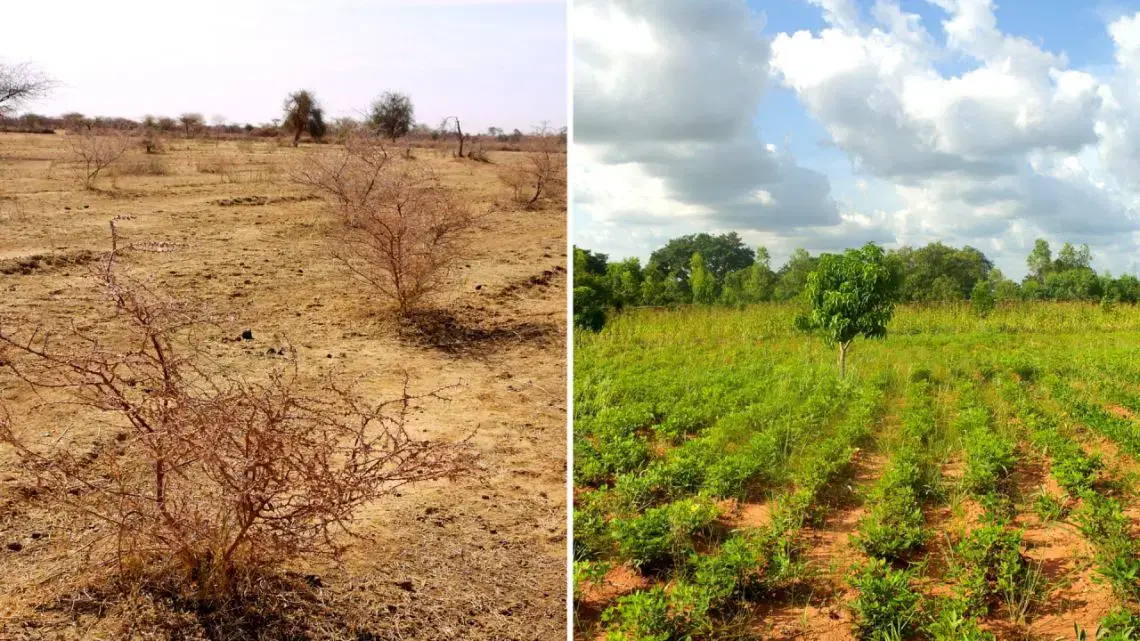
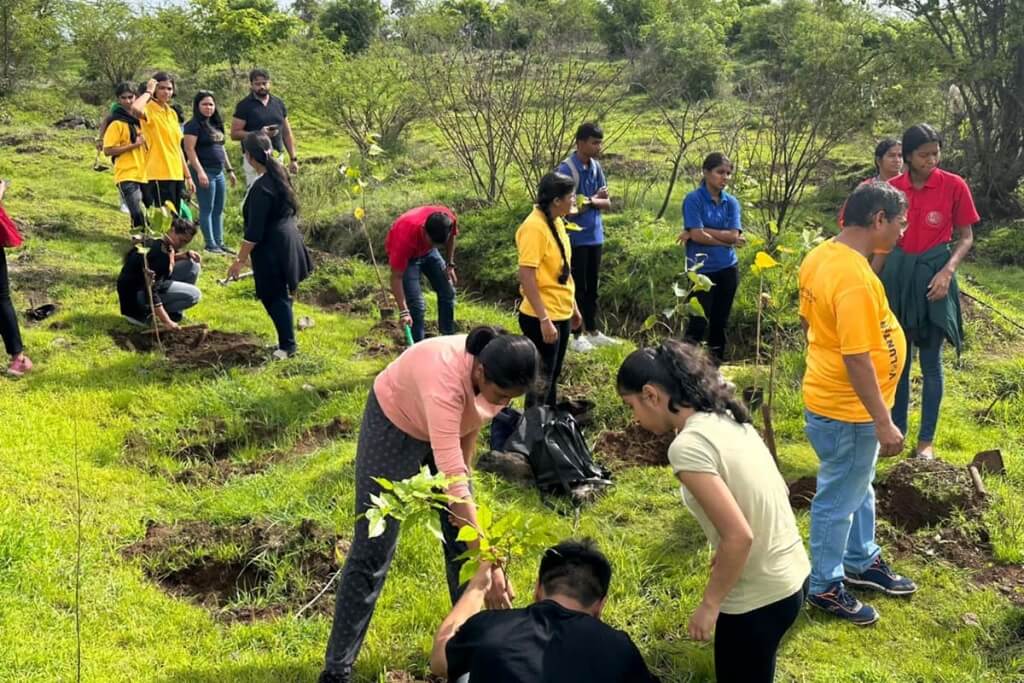
Planting trees in deforested areas to restore ecosystems and increase forest cover.
Creating new forests on lands that previously did not have tree cover, thereby enhancing green spaces.
Implementation Steps
Identifying suitable sites for reforestation and afforestation based on soil quality, climate, and land availability.
Choosing native and resilient tree species that support local biodiversity and ecosystem health.
Engaging local communities in tree planting activities and providing education on the importance of forest conservation.
Regularly monitoring planted areas to ensure tree survival and growth, and conducting maintenance activities such as weeding and pest control.
 Benefits
Providing habitats for a wide range of plant and animal species, thus supporting biodiversity conservation.
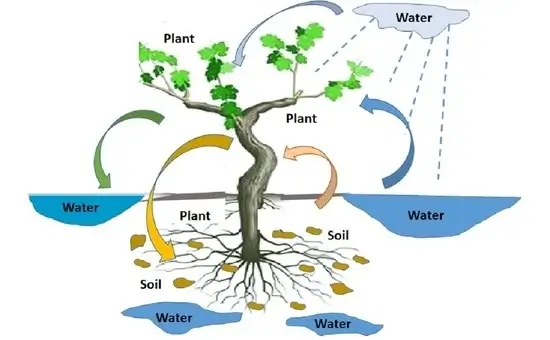
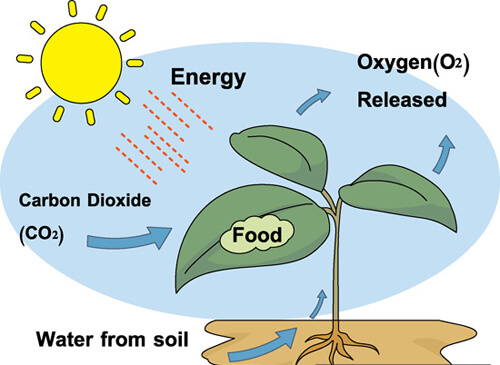
Trees absorb pollutants and carbon dioxide, releasing oxygen and improving air quality. They also help in water regulation by reducing runoff and enhancing groundwater recharge.
Tree roots help stabilize the soil, preventing erosion and maintaining soil fertility.
Creating job opportunities in tree planting and maintenance, and promoting community engagement in environmental stewardship.
Project
Scope
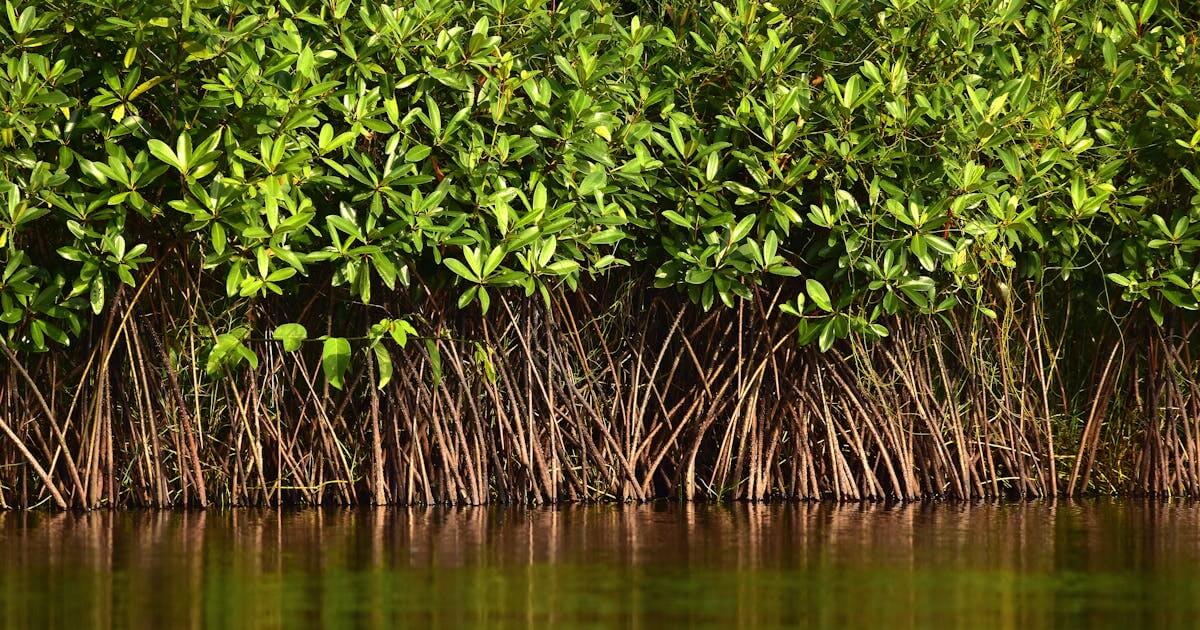
Restoring degraded wetlands to enhance their ecological functions and services.
Creating and maintaining habitats for diverse plant and animal species, particularly those dependent on wetland ecosystems.
 Implementation Steps
Conducting ecological assessments to understand the current state of wetlands and planning restoration activities accordingly.
Restoring natural water flow patterns to ensure the proper functioning of wetland ecosystems.
Planting native wetland vegetation to enhance habitat quality and improve water filtration.
Involving local communities in wetland restoration projects and raising awareness about the importance of wetlands.
Benefits
Wetlands act as natural water filters, trapping sediments and pollutants, and improving water quality.
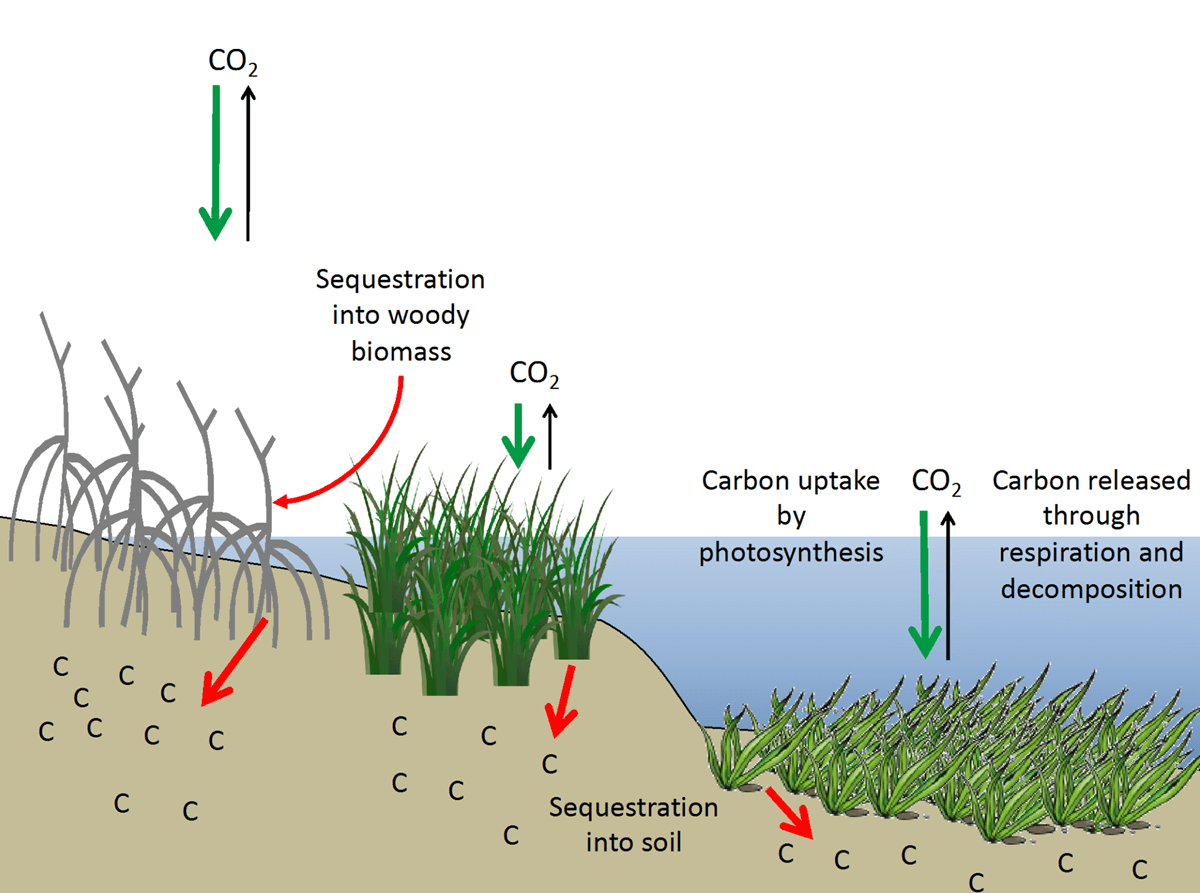
Wetlands store significant amounts of carbon in their vegetation and soils, helping to mitigate climate change.
Wetlands absorb excess water during heavy rains, reducing the risk of flooding in surrounding areas.
Providing critical habitats for a variety of species, including birds, fish, amphibians, and invertebrates.
 Project
Scope
Project
Scope
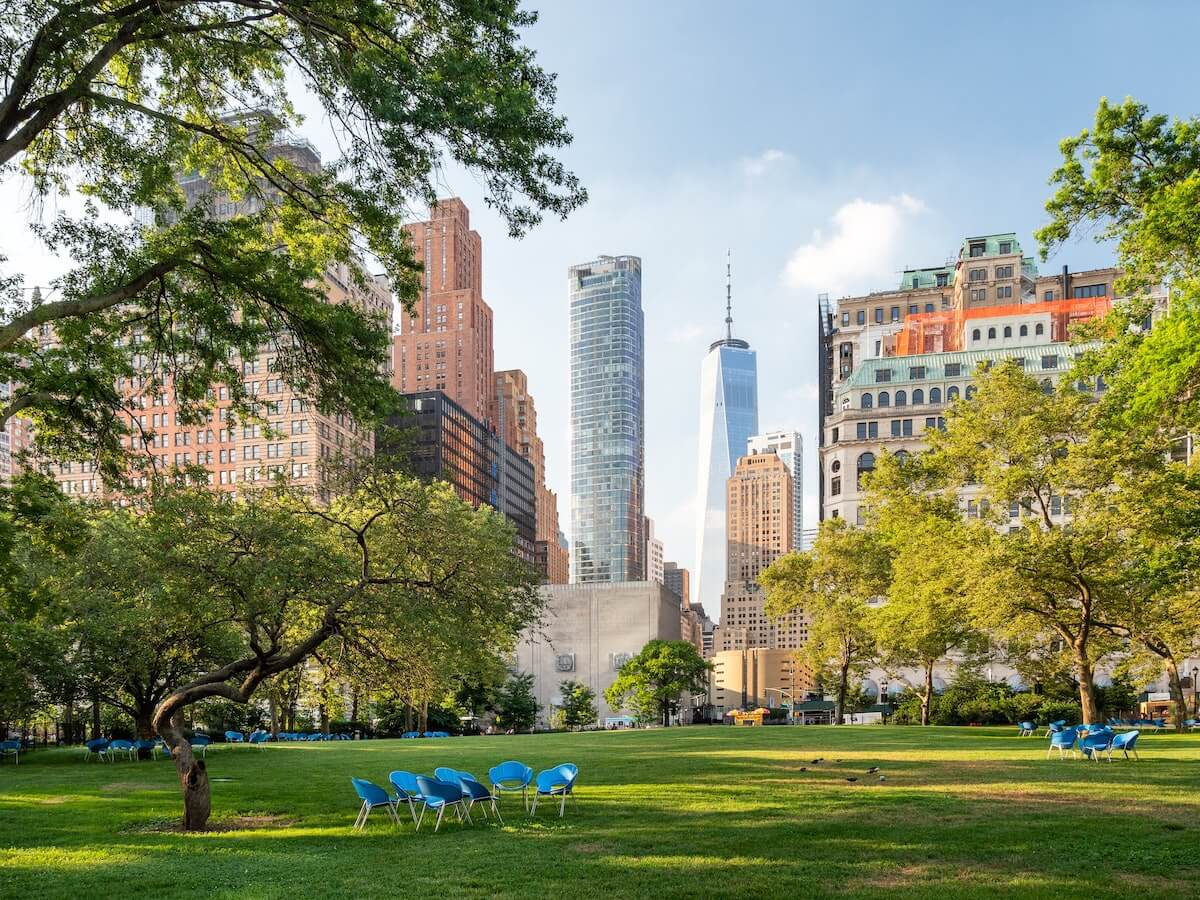
Developing parks, gardens, and community green spaces to enhance urban environments.
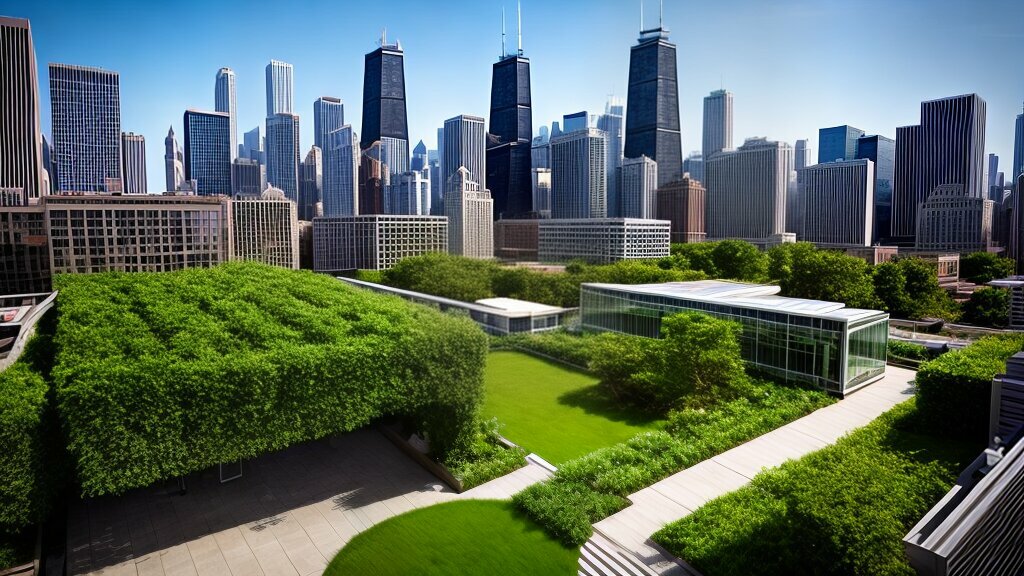
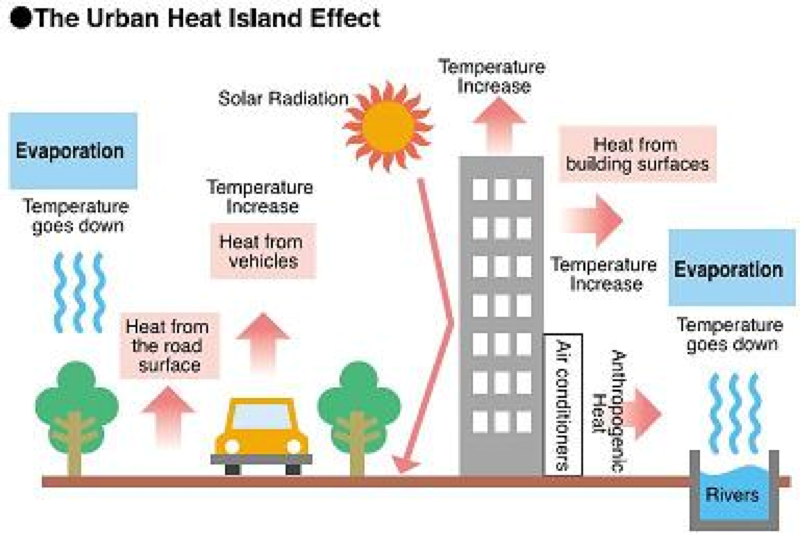
Installing green roofs and living walls to improve building insulation and reduce urban heat island effects.
Implementation Steps
Identifying urban areas suitable for green space development based on community needs and available land.
Designing green spaces that incorporate native plants, recreational areas, and sustainable features such as rain gardens and permeable pavements.
Involving local residents in the design, development, and maintenance of green spaces to ensure they meet community needs.
Establishing maintenance plans to ensure the health and longevity of green spaces, including regular care of plants and facilities.
 Benefits
Urban green spaces enhance air quality by absorbing pollutants and carbon dioxide, and releasing oxygen.
Green roofs, walls, and parks help to reduce urban heat island effects, lowering temperatures in urban areas.
Access to green spaces has been shown to improve mental health, reduce stress, and enhance overall well-being.
Green spaces provide areas for recreation and social interaction, fostering a sense of community and belonging.
PUREANA's nature-based solutions are designed to create a sustainable and resilient environment, benefiting both nature and society. Through these initiatives, we aim to address environmental challenges, promote biodiversity, and enhance the quality of life for communities
