


PUREANA's carbon footprint assessment services are designed to provide comprehensive insights and actionable strategies for reducing emissions and promoting sustainability. By understanding and addressing your carbon footprint, you can make meaningful contributions to climate change mitigation and achieve long-term environmental and economic benefits.

 Energy
Use
Energy
Use
We prioritize suppliers who follow sustainable practices, ensuring that the materials we use are environmentally friendly and responsibly sourced. This includes materials like recycled paper, sustainably harvested wood, and organic textiles.
Our manufacturing processes are designed to minimize environmental impact by reducing energy consumption, water usage, and waste generation. We continuously seek innovative solutions to improve efficiency and reduce emissions.
We have implemented comprehensive waste management programs to reduce, reuse, and recycle waste. This includes initiatives like composting organic waste, recycling materials, and properly disposing of hazardous waste.
Emissions
Direct emissions from sources owned or controlled by the organization, such as fuel combustion in company-owned vehicles and boilers.
Indirect emissions from the generation of purchased electricity, heat, or steam.
Other indirect emissions occurring in the value chain, including supply chain activities, business travel, employee commuting, waste disposal, and product use.

 Other
Factors
Other
Factors
Quantifying the volume of waste produced and the associated emissions from waste management practices.
Assessing water consumption and its impact on the carbon footprint, especially in industries where water usage is significant.
Evaluating emissions from suppliers and logistics, including transportation and distribution.
Detailed
Analysis
Using data collected to calculate the total carbon footprint in terms of CO₂ equivalents (CO₂e).
Comparing the organization's carbon footprint against industry standards and best practices.
Identifying major emission sources within the organization and their relative contributions to the total carbon footprint.

 Recommendations
Suggestions for improving energy efficiency in buildings, equipment, and processes.
Opportunities to increase the use of renewable energy sources.
Initiatives to minimize waste generation and improve waste management practices.
Strategies to reduce emissions from supply chain activities and enhance sustainability.
Setting
Targets
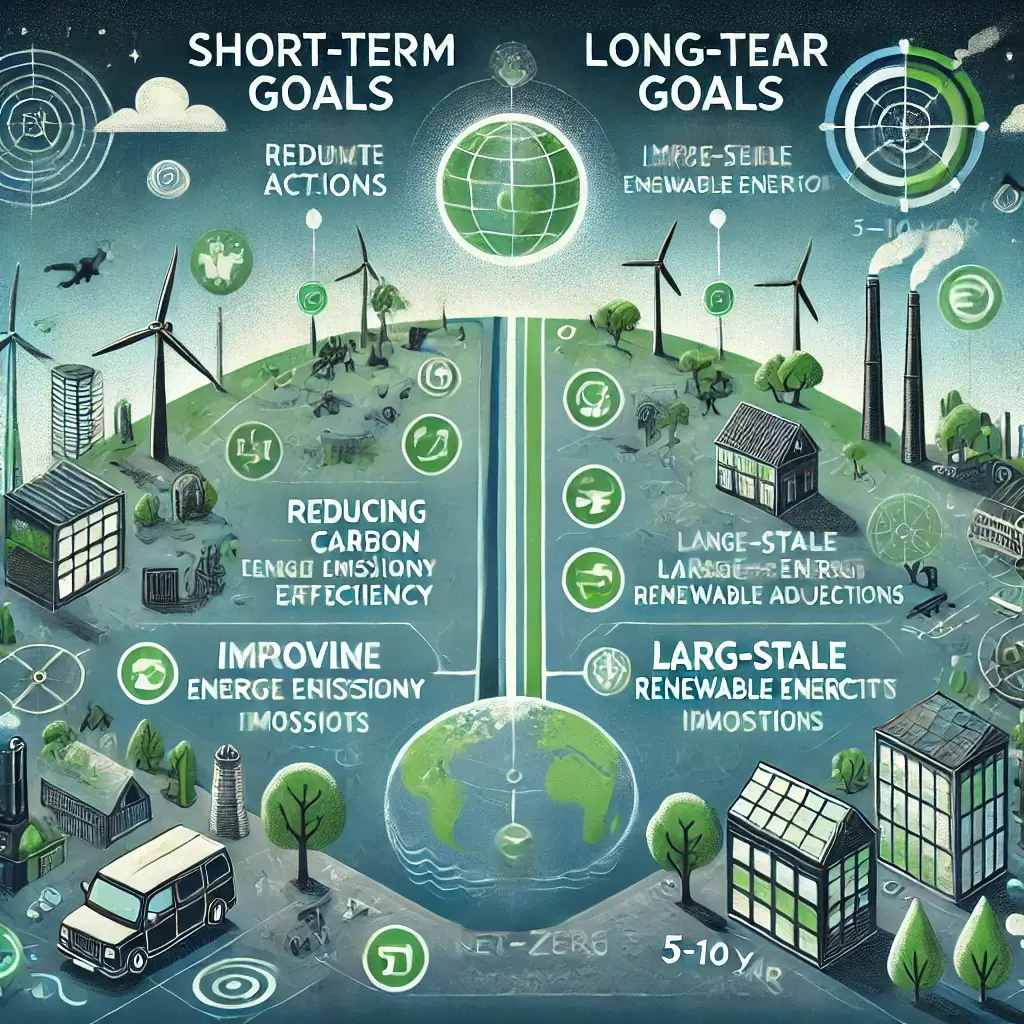
Establishing immediate and achievable carbon reduction targets for the next 1-3 years.
Setting ambitious targets for the next 5-10 years, aligned with global climate goals and industry commitments.
 Best
Practices
Best
Practices
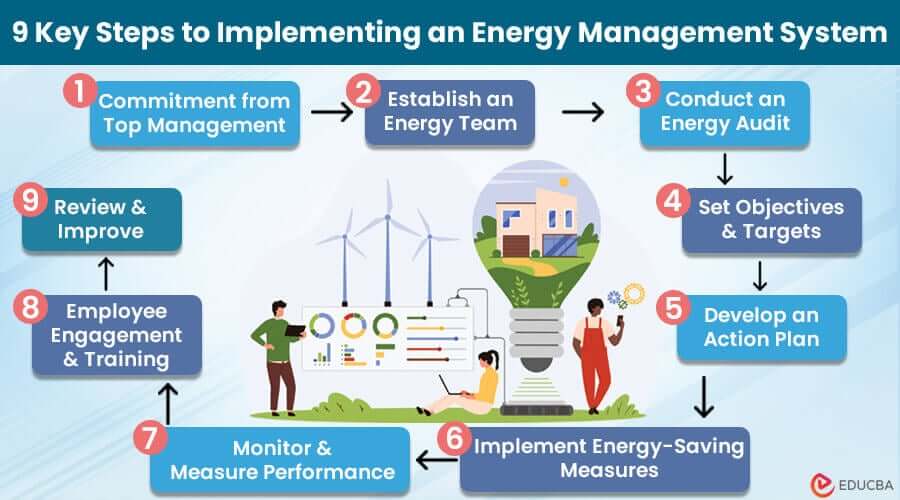
Implementing systems to monitor, control, and optimize energy usage.
Sourcing materials and services from suppliers with strong environmental credentials.
Involving employees in sustainability initiatives through training, awareness programs, and incentives.
Execution
Using data collected to calculate the total carbon footprint in terms of CO₂ equivalents (CO₂e).
Comparing the organization's carbon footprint against industry standards and best practices.

 Monitoring Progress
Regularly tracking progress against set targets using key performance indicators (KPIs).
Providing periodic reports to stakeholders on progress, challenges, and achievements.
Identifying areas for further improvement and updating strategies as needed.
Personal
Emissions
Assessing emissions from personal vehicles, public transport, and air travel.
Evaluating energy consumption in homes, including heating, cooling, lighting, and appliances.
Considering the carbon footprint of food choices, including meat consumption, food waste, and packaging.
Assessing emissions from the purchase and use of goods and services.

 Personalized Recommendations
Encouraging the use of public transportation, carpooling, and electric vehicles.
Promoting energy-saving measures at home, such as using energy-efficient appliances and insulating homes.
Advising on reducing meat consumption, minimizing food waste, and opting for locally-sourced foods.
Encouraging the purchase of sustainable products, recycling, and reducing waste.
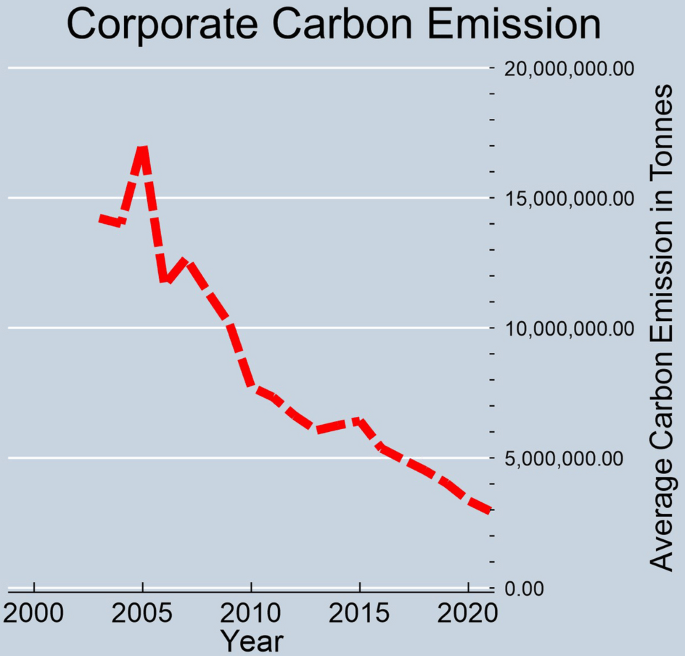
Corporate Emissions
Evaluating emissions from production activities, including raw material extraction, processing, and assembly.
Assessing emissions from the transportation of goods, both inbound and outbound.
Considering emissions from corporate offices, business travel, and employee commuting.
 Sector-Specific Strategies
Implementing lean manufacturing principles, optimizing energy use, and adopting cleaner technologies.
Enhancing transportation efficiency, optimizing routing, and using alternative fuels.
Reducing energy consumption in office buildings, promoting remote work, and encouraging sustainable business travel practices.
Environmental Impact
Reducing GHG emissions helps mitigate climate change and its associated impacts, such as extreme weather events and sea-level rise.
Sustainable practices help conserve natural resources and protect ecosystems.

 Cost
Savings
Cost
Savings
Implementing energy-efficient measures reduces energy consumption, leading to significant cost savings.
Minimizing waste generation and improving waste management practices lower disposal costs.
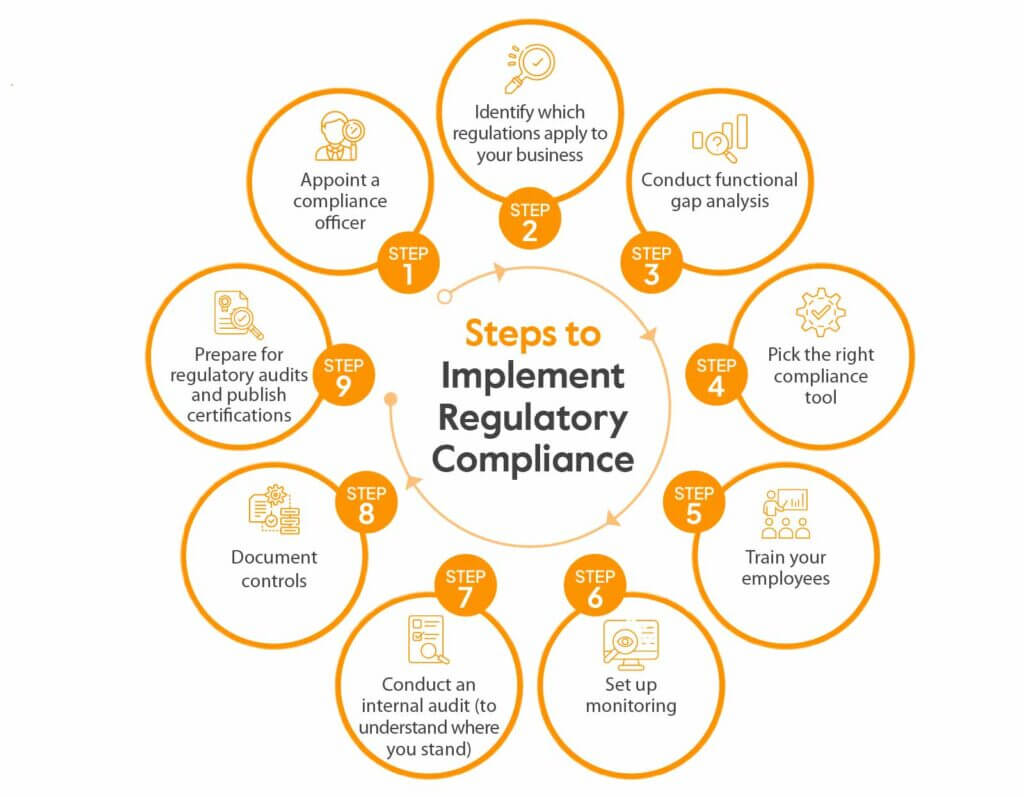
Regulatory Compliance
Ensuring compliance with local, national, and international environmental regulations and standards.
Reducing the risk of fines and penalties for non-compliance.
 Corporate Responsibility
Demonstrating a commitment to sustainability and corporate social responsibility enhances reputation and brand value.
Building trust with stakeholders, including customers, investors, and employees, by transparently reporting on environmental performance.
