


Green credits are an innovative mechanism designed to incentivize and finance environmentally beneficial projects. These credits can be earned by undertaking activities that reduce or offset greenhouse gas emissions and can be traded on green credit markets, offering both environmental and economic benefits. At PUREANA, our green credit programs focus on renewable energy projects, energy efficiency projects, and afforestation initiatives.
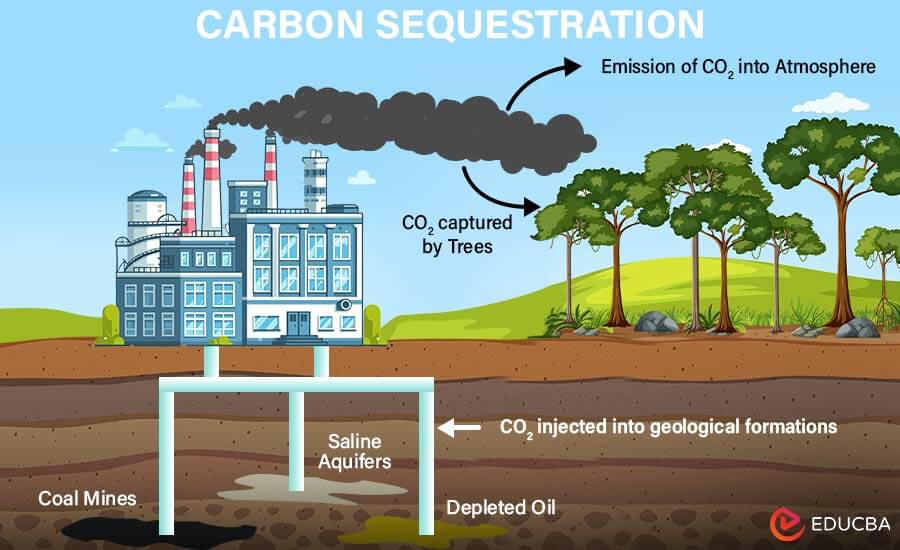
Afforestation projects involve planting trees in non-forest areas to create new forests, which play a crucial role in carbon sequestration and biodiversity conservation.

 Project
Scope
Project
Scope
Establishing new forests on degraded or non-forest land by planting a mix of native tree species.
Restoring degraded ecosystems to improve biodiversity and ecological resilience.
Implementation Steps
Identifying suitable locations for afforestation based on soil quality, climate, and land availability.
Choosing native and resilient tree species that support local biodiversity and ecosystem health.
Planting trees and providing regular maintenance to ensure their growth and survival.
Engaging local communities in afforestation activities and providing education on the importance of forest conservation.

 Benefits
Trees absorb CO₂ from the atmosphere, helping to mitigate climate change.
Afforestation projects create habitats for wildlife, enhancing biodiversity and ecosystem health.
Tree roots stabilize the soil, preventing erosion and maintaining soil fertility.
Creating job opportunities in tree planting and maintenance, and promoting sustainable land use practices.
The Green Credit Trading Scheme allows businesses and individuals to earn and trade Green Credits, creating a financial incentive for environmental sustainability. By participating in this scheme, you can engage in activities that positively impact the environment and earn tradable Green Credits in return.
These credits can be traded on a digital platform, providing flexibility and opportunities for both buyers and sellers. The scheme not only promotes eco-friendly practices but also supports the global effort to reduce carbon footprints and combat climate change.
Trading
Mechanism
Green credits are generated through approved environmental projects, such as renewable energy installations, energy efficiency upgrades, and afforestation initiatives.
Projects are verified and certified by recognized bodies to ensure they meet the required standards for green credits.
Green credits can be traded on dedicated platforms, allowing businesses and individuals to buy and sell credits to meet their sustainability goals.

 Benefits
The trading scheme provides a financial incentive for businesses to invest in environmentally beneficial projects.
Companies can achieve their sustainability targets by purchasing green credits, offering flexibility in how they meet their goals.
The scheme supports the growth of the green credit market, driving investment in renewable energy, energy efficiency, and other sustainable initiatives.
PUREANA's green credit programs are designed to drive environmental sustainability, support the transition to a low-carbon economy, and provide financial benefits to participants. Through renewable energy projects, energy efficiency initiatives, and afforestation efforts, we are creating a greener and more sustainable future.
Renewable energy projects are at the heart of our green credit initiatives. These projects aim to generate clean, renewable energy, reducing reliance on fossil fuels and lowering greenhouse gas emissions.
Project
Scope
Developing solar farms and wind farms to harness the power of the sun and wind.

 Implementation Steps
Identifying optimal locations for solar panels and wind turbines based on sunlight availability and wind patterns.
Setting up solar panels and wind turbines to capture and convert renewable energy into electricity.
Integrating the generated electricity into the local grid to provide clean energy to homes and businesses.
Benefits
Solar and wind energy projects significantly reduce carbon emissions, lower energy costs, and provide a sustainable energy source that can be harnessed for decades.

 Project
Scope
Project
Scope
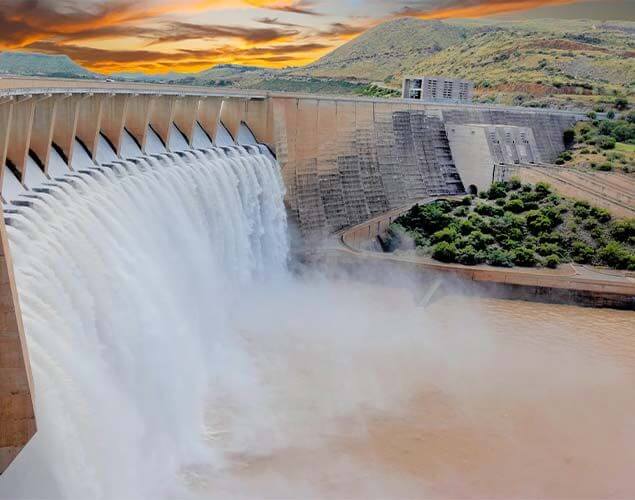
Utilizing water flow and organic materials to produce sustainable energy.
Implementation Steps
Constructing small-scale hydroelectric plants that use the flow of rivers or streams to generate electricity.
Converting organic materials, such as agricultural residues and forestry waste, into bioenergy through processes like anaerobic digestion and combustion.

 Benefits
These projects contribute to energy security and diversification, provide a reliable energy supply, and reduce dependence on fossil fuels. Hydropower and biomass projects also support rural economies by creating job opportunities and utilizing local resources.
Improving energy efficiency is a key strategy for reducing energy consumption and greenhouse gas emissions. PUREANA's energy efficiency projects focus on building upgrades and industrial efficiency.
Project
Scope
Enhancing insulation, lighting, and heating systems in residential, commercial, and industrial buildings.

 Implementation Steps
Conducting comprehensive energy audits to identify areas for improvement.
Installing high-quality insulation materials to reduce heat loss and improve energy efficiency.
Replacing traditional lighting with energy-efficient LED lights.
Upgrading to energy-efficient heating, ventilation, and air conditioning (HVAC) systems.
Benefits
These upgrades reduce energy consumption, lower utility bills, and improve indoor comfort. They also decrease greenhouse gas emissions and contribute to a more sustainable built environment.

 Project
Scope
Project
Scope
Improving machinery and processes to increase productivity and reduce emissions in industrial operations.
Implementation Steps
Upgrading machinery and equipment to more energy-efficient models.
Streamlining industrial processes to reduce energy use and waste.
Implementing advanced automation and control systems to optimize energy consumption.

 Benefits
These initiatives enhance operational efficiency, reduce production costs, and lower greenhouse gas emissions. They also support the transition to more sustainable industrial practices.
