


Before investing, it's essential to understand the regulatory framework and guidelines set by the Paris Agreement for Article 6.2 and 6.4

Involves voluntary cooperation between countries through the transfer of Internationally Transferred Mitigation Outcomes (ITMOs).
Establishes a centralized mechanism for emissions reduction projects that meet standardized methodologies and baselines.
Invest in projects that align with your sustainability goals and have the potential to generate significant emission reductions
Solar thermal power plants, wind farms, hydroelectric power, tidal energy, ocean thermal energy, ocean wave and current energy, and green hydrogen production.
High-end tech for energy efficiency, including advanced energy management systems and smart grids.
Emerging mobility solutions like fuel cells, electric vehicles, and sustainable aviation fuel (SAF).
Projects that capture and store CO₂ emissions from industrial processes.
Planting trees to enhance carbon sequestration and restore degraded land.

Perform thorough due diligence to assess the feasibility, credibility, and potential returns of the projects
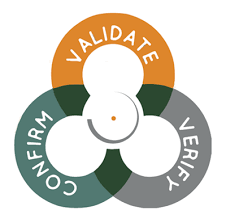
Ensure that the projects are validated by recognized bodies and meet international standards.
Verify the emissions reductions through independent third-party auditors to ensure transparency and credibility.
Check if the projects are certified by recognized standards such as the Verified Carbon Standard (VCS), the Gold Standard, or the Clean Development Mechanism (CDM).
Collaborate with experienced project developers, governments, and organizations to access high-quality projects and ensure successful implementation:
Work with governments to support national climate goals and access government-backed projects.
Partner with non-governmental organizations that have expertise in sustainable development and climate mitigation projects.
Involve local communities to ensure the projects are culturally appropriate and socially beneficial.

Implement robust monitoring and reporting systems to track the progress and impact of your investments:

Provide periodic reports to stakeholders on the progress, achievements, and challenges of the projects.
Use key performance indicators (KPIs) to measure the success and impact of the projects.
Identify areas for further improvement and update strategies as needed.
 Renewable Energy Installations
Developing plants to generate electricity using concentrated sunlight.
Producing hydrogen through electrolysis powered by renewable energy.
Establishing wind turbines in offshore locations to harness strong wind resources.
Capturing energy from tidal movements, ocean thermal gradients, and ocean waves and currents.

 Energy Efficiency Projects
Implementing advanced technologies to enhance energy efficiency in buildings, industries, and transportation.
Transportation Projects
Producing SAF from renewable feedstocks to reduce aviation emissions.
Promoting the adoption of fuel cell technologies in vehicles and infrastructure
Supporting the development and deployment of EVs and charging infrastructure.

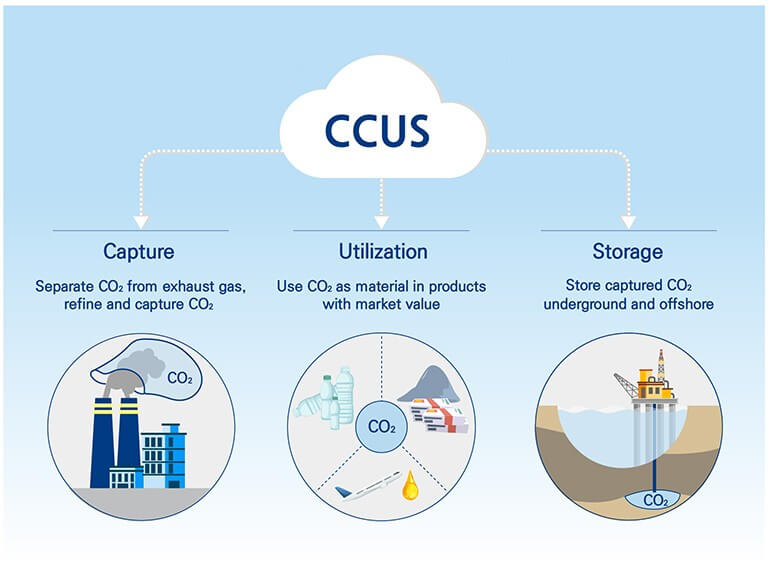 Carbon Capture and Storage (CCS)
Capturing CO₂ emissions from industrial processes, utilizing it in various applications, and storing the rest underground.
Afforestation and Reforestation
Establishing new forests on degraded or non-forest land to enhance carbon sequestration and restore ecosystems.


These projects contribute to significant reductions in greenhouse gas emissions, helping to mitigate climate change.
Investing in sustainable projects provides opportunities for economic growth and job creation.
Demonstrating a commitment to sustainability enhances corporate reputation and stakeholder trust.
Aligning with international climate agreements and regulations ensures compliance and avoids potential penalties.
