


PUREANA is committed to advancing mangrove restoration initiatives as a sustainable and economically viable solution for climate mitigation and ecosystem conservation. By focusing on planting, conservation, community engagement, and generating blue carbon credits, we are making a significant contribution to global efforts to combat climate change and protect vital ecosystems.
Mangroves provide numerous environmental benefits, making them a critical part of the solution to climate change:
Mangroves are among the most efficient ecosystems for carbon sequestration. They can store up to four times more carbon per hectare than tropical rainforests. This carbon is stored in the plants' biomass and the rich organic soil beneath them.
Mangroves act as natural barriers against storm surges, tsunamis, and coastal erosion. Their complex root systems stabilize the shoreline and reduce the impact of waves.
Mangrove forests are home to a wide variety of species, including fish, birds, and invertebrates. They provide breeding and nursery grounds for many marine species, supporting both local fisheries and global biodiversity.
Our mangrove restoration projects aim to

 Planting
and Conservation
Planting
and Conservation
We focus on planting mangroves in degraded coastal zones to enhance biodiversity and carbon storage. This involves selecting suitable species, planting saplings, and maintaining these areas until the mangroves are well-established.
Conservation measures are implemented to prevent deforestation and degradation of existing mangrove forests. This includes monitoring, patrolling, and legal protection measures to safeguard these vital ecosystems.
Community Engagement
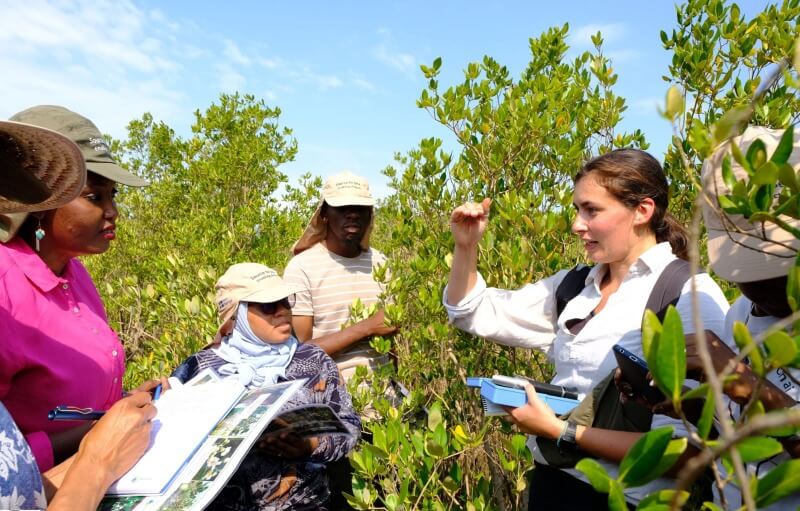
Engaging local communities is crucial for the success and sustainability of mangrove restoration efforts. We work with local residents to plant and care for mangroves, providing them with the necessary training and resources.
Educating communities about the importance of mangroves and providing resources to support sustainable practices empowers them to protect and manage their natural resources effectively.
 Blue
Carbon Credits
Blue
Carbon Credits
Blue carbon credits are a type of carbon credit focused on carbon storage in coastal and marine ecosystems. These credits are generated through activities that protect and restore blue carbon habitats, such as mangroves, seagrasses, and salt marshes. By investing in blue carbon projects, organizations can offset their carbon emissions and support vital ecosystems.
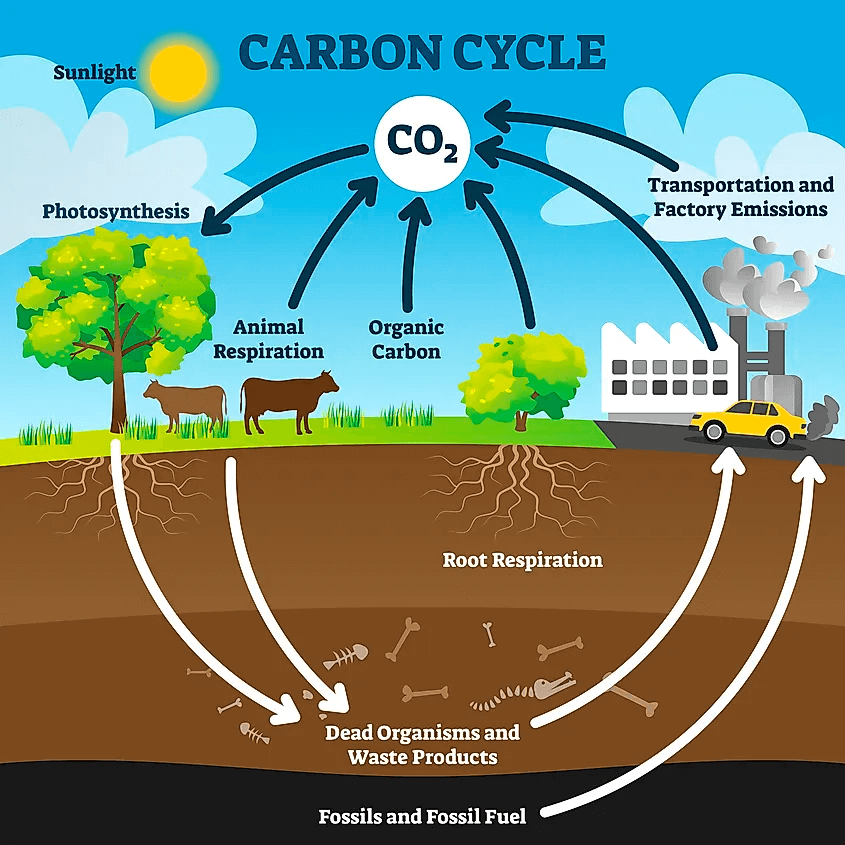
Carbon sequestration is the process of capturing and storing carbon dioxide (CO₂) from the atmosphere. Mangroves play a significant role in this process:
Carbon
Sequestration
Mangroves store carbon in their leaves, branches, trunks, and roots.
The rich organic soil beneath mangrove forests is a significant carbon sink, storing carbon for centuries. This soil accumulates carbon from plant material and organic matter that settles in the sediment.

Carbon restoration involves activities that enhance the natural ability of ecosystems to capture and store carbon. In mangrove restoration, this includes
 Environmental Impact
Planting new mangroves in degraded areas to increase carbon sequestration.
Promoting healthy mangrove growth and reducing disturbances to soil to maximize carbon storage.
he carbon sink capacity of an ecosystem refers to its ability to absorb and store carbon dioxide from the atmosphere. Mangroves have a high carbon sink capacity due to
Carbon
Sink Capacity
The dense vegetation of mangrove forests stores a significant amount of carbon.
Mangrove soils are rich in organic matter, which stores carbon efficiently over long periods.

Estuarine and coastal wetland ecosystems, including mangroves, are highly effective at absorbing CO₂ from the atmosphere. These ecosystems
 CO₂
Uptake
CO₂
Uptake
Mangroves absorb CO₂ during photosynthesis, converting it into biomass.
Tidal action deposits sediment and organic material in mangrove soils, enhancing carbon storage.
The Indian coastline provides a large area for mangrove restoration. Key areas include
Indian
Coastline
The Sunderbans mangroves, listed as a UNESCO World Heritage site, are one of the largest and most biodiverse mangrove forests in the world. Restoration efforts here focus on planting new mangroves and protecting existing forests.
Restoration projects are also being implemented along the coasts of Gujarat, Andhra Pradesh, and Tamil Nadu, where degraded mangrove areas are being rehabilitated to enhance biodiversity and carbon storage.

 UN
Initiative
UN
Initiative
The UN Decade on Ecosystem Restoration (2021-2030) aims to prevent, halt, and reverse the degradation of ecosystems worldwide. Mangrove restoration is a key focus of this initiative, given their critical role in climate regulation and coastal protection.
