


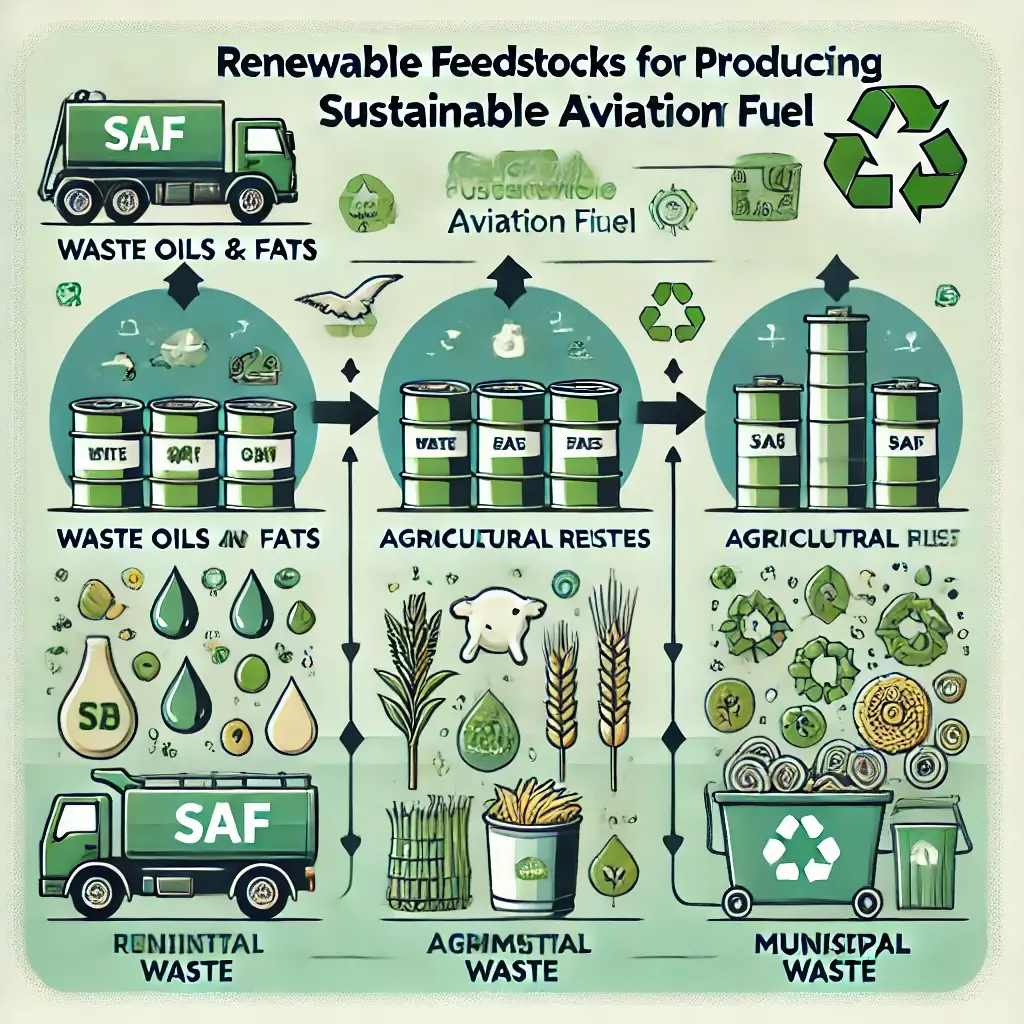
SAF can be produced from waste cooking oils, animal fats, and other waste oils. These feedstocks are recycled and repurposed, reducing waste and the carbon footprint of aviation.
Non-edible parts of crops, such as straw and husks, can be used to produce SAF. This ensures that food crops are not diverted for fuel production, maintaining food security.
Organic waste from households and industries can be converted into SAF, promoting waste-to-energy initiatives.
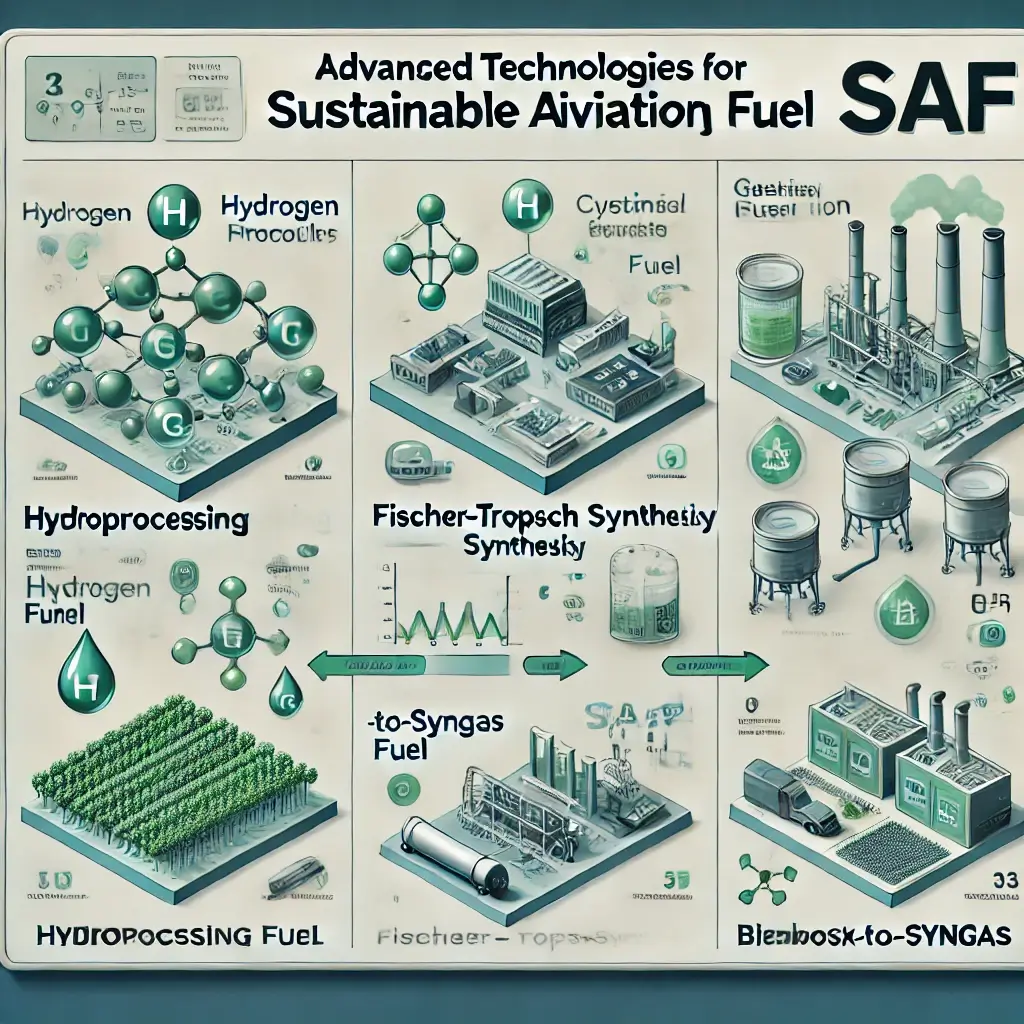
This technology involves treating the feedstock with hydrogen to remove oxygen and convert it into hydrocarbons, producing a fuel similar to conventional jet fuel.
This process converts biomass into synthetic fuels through a series of chemical reactions, resulting in SAF that meets stringent industry standards.
Biomass is converted into syngas (a mixture of hydrogen and carbon monoxide) through gasification, which is then processed into SAF.
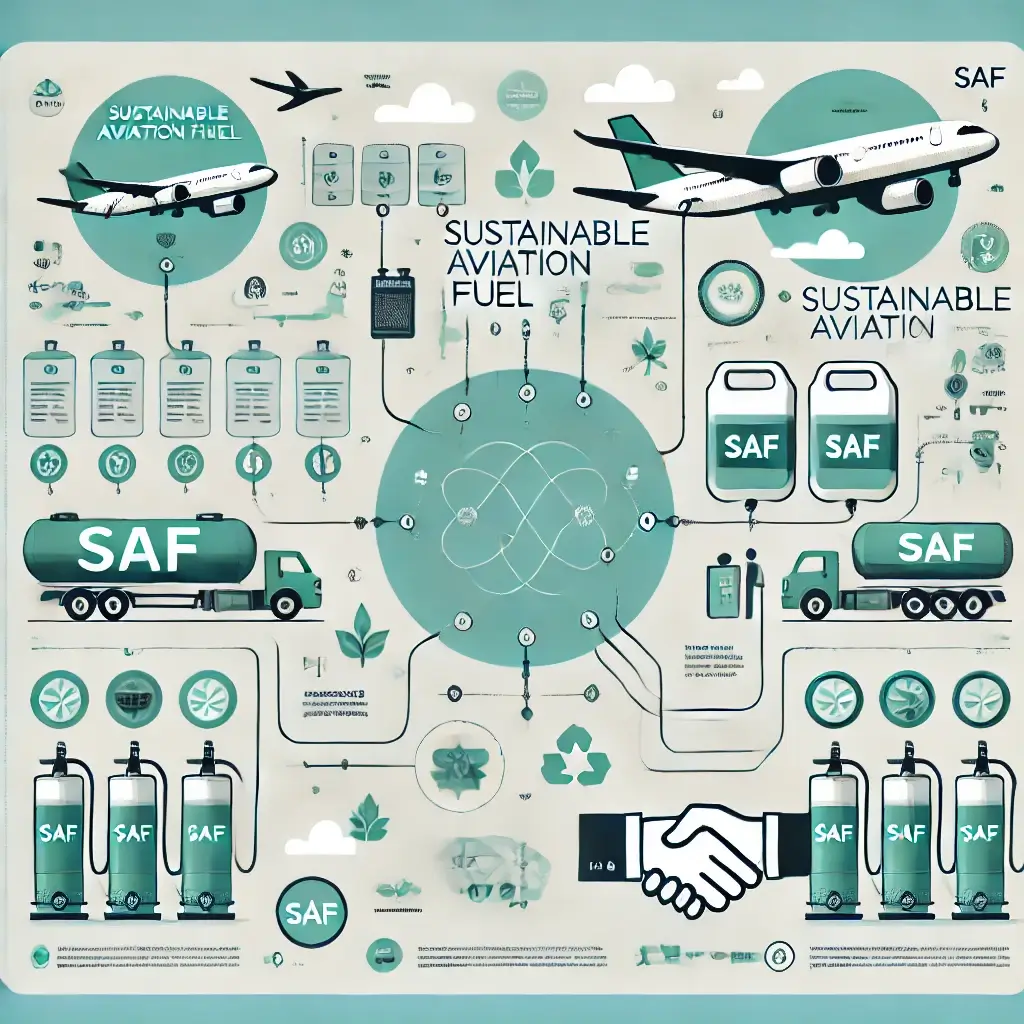
Collaborating with airlines to integrate SAF into their fuel mix, promoting the adoption of cleaner fuels.
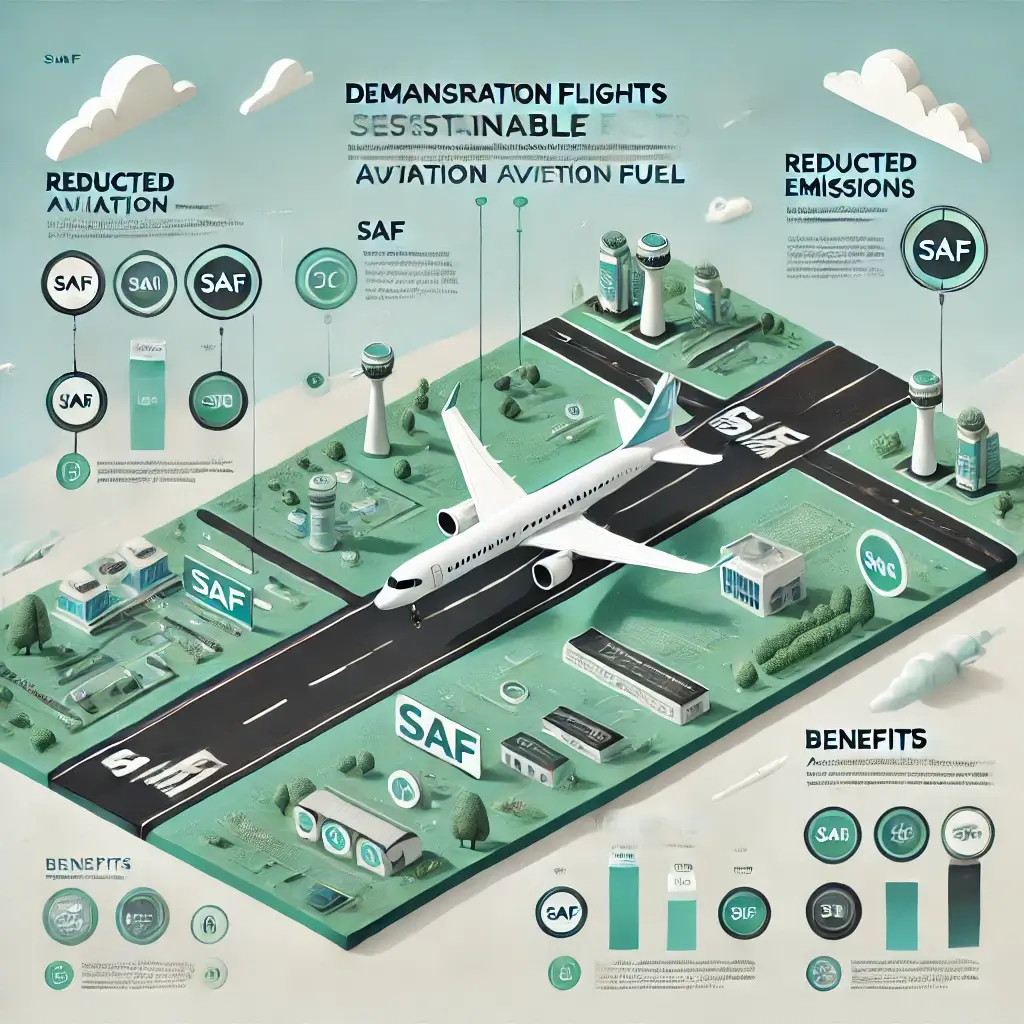
Conducting demonstration flights using SAF to showcase its viability and benefits.
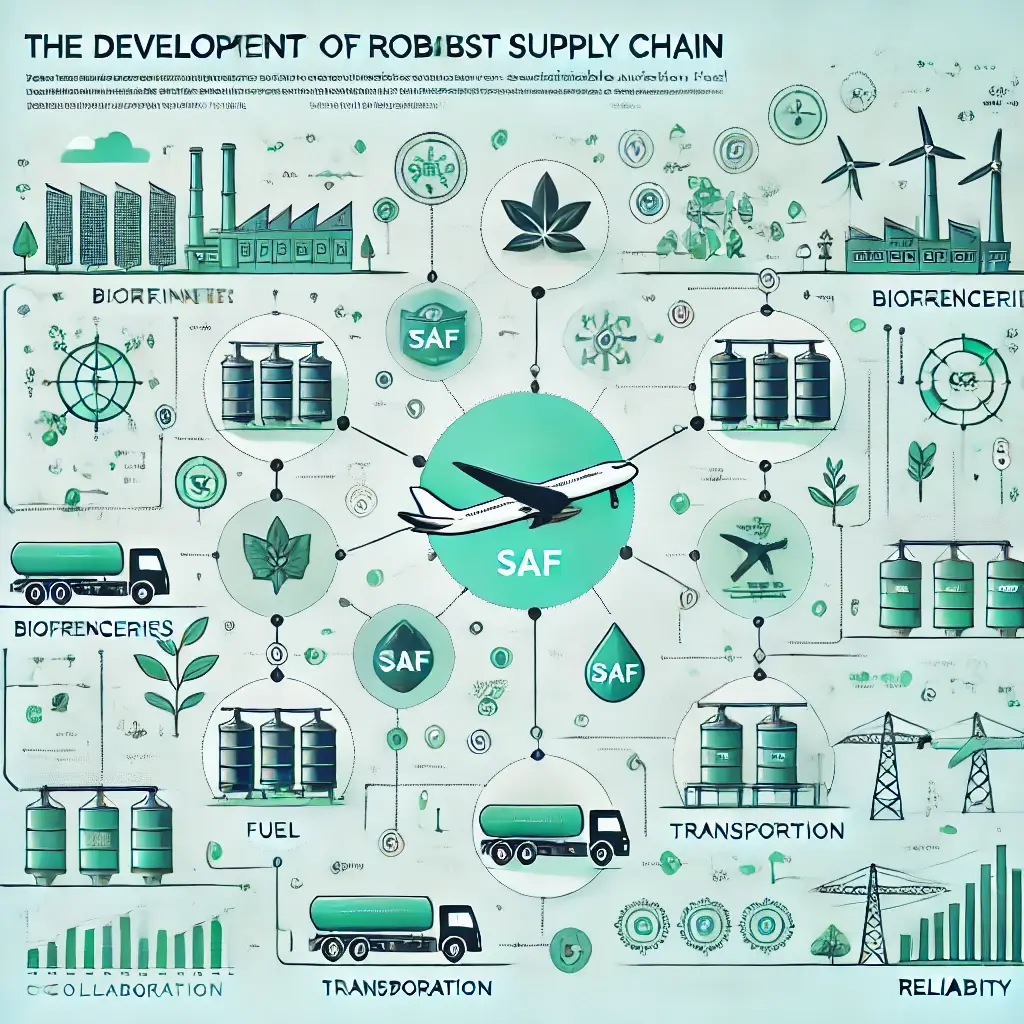
Working with airlines to develop a robust supply chain for SAF, ensuring consistent and reliable fuel availability.
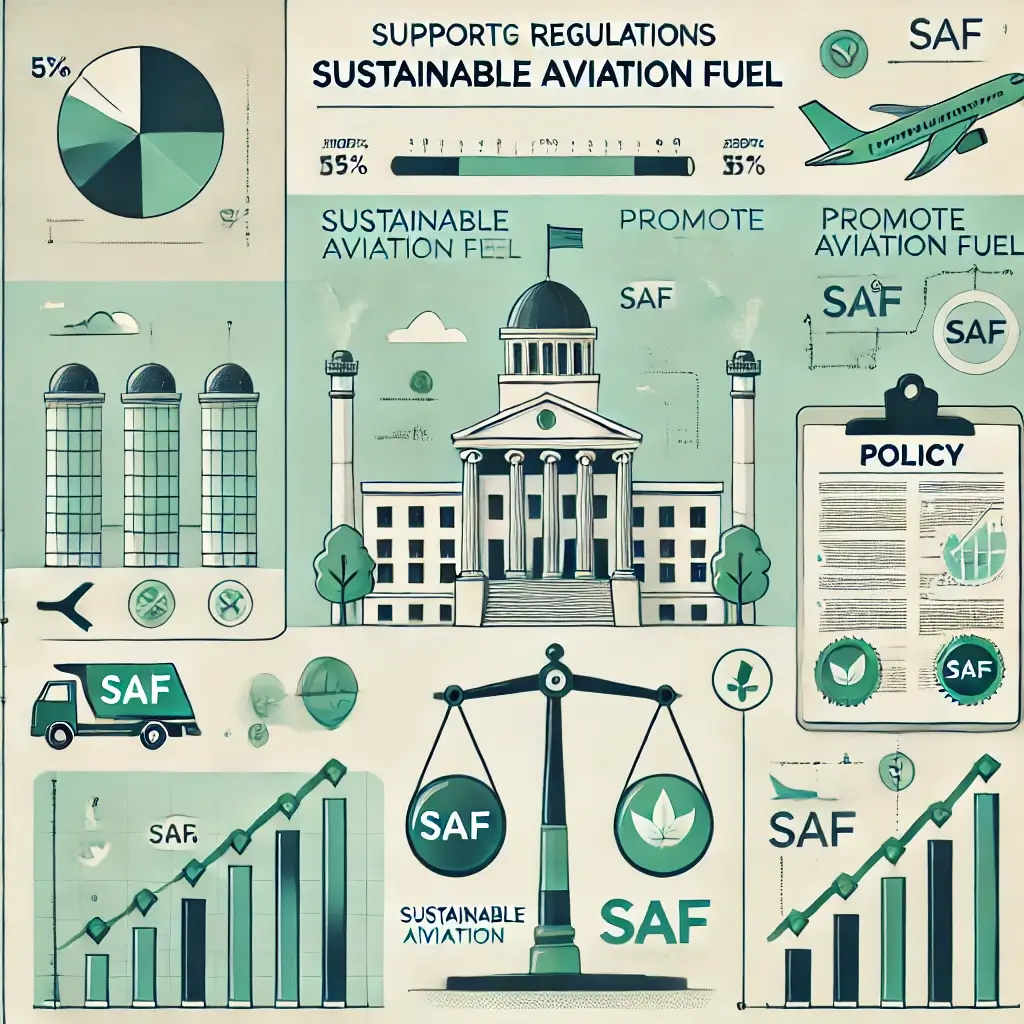
Advocating for policies and regulations that encourage the production and use of SAF, driving industry-wide change towards sustainability.
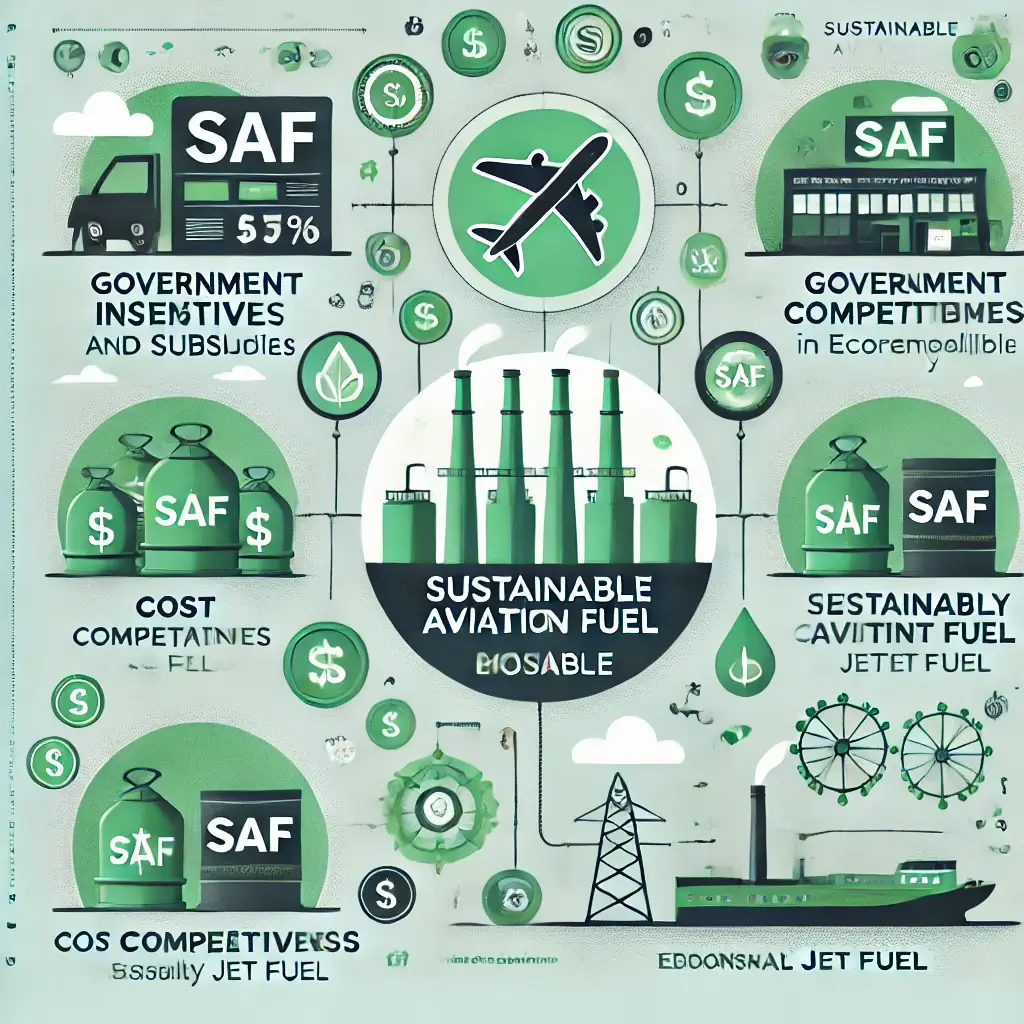
Supporting government incentives and subsidies to make SAF production economically viable and competitive with traditional jet fuel.
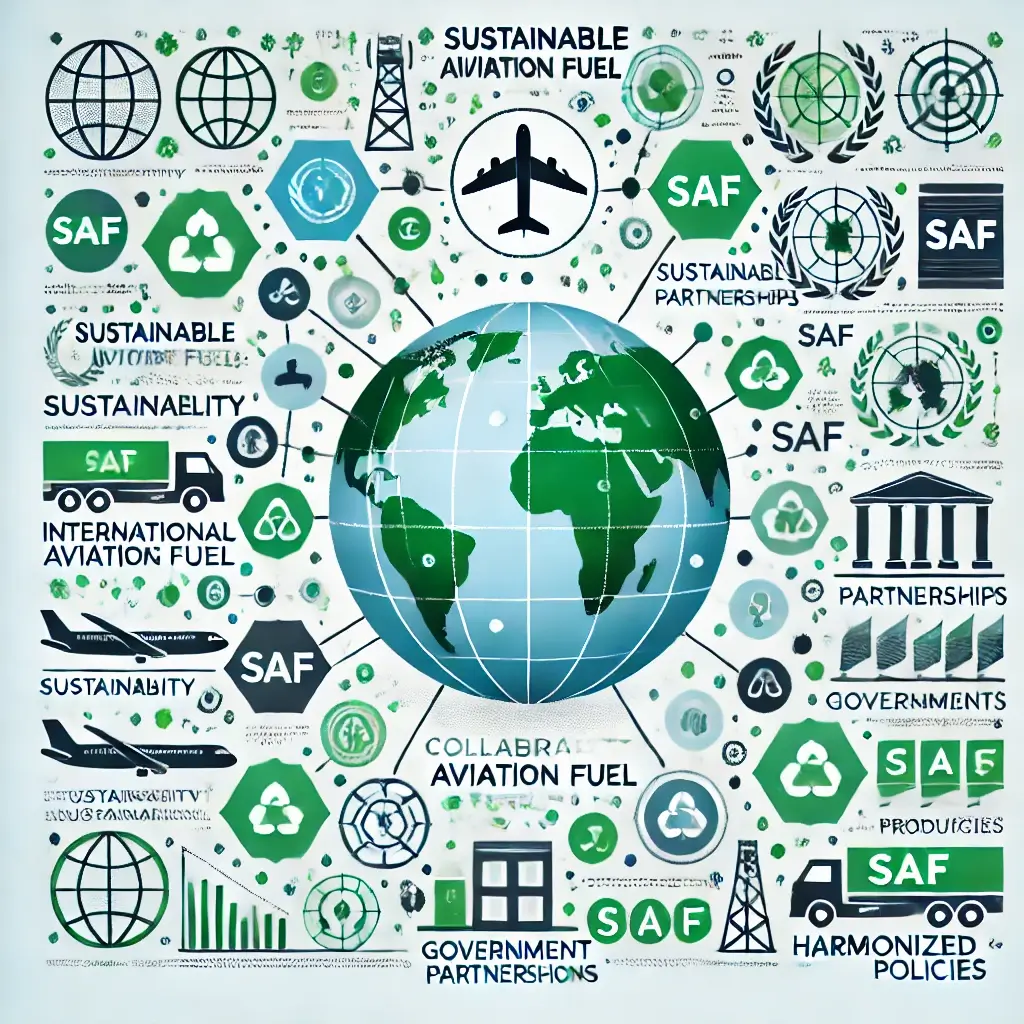
Engaging with international organizations and governments to promote the adoption of SAF and harmonize standards and policies.
Investing in SAF projects not only contributes to reducing the carbon footprint of aviation but also provides opportunities to generate carbon credits. These credits can be traded on carbon markets, creating an additional revenue stream for project developers. By supporting SAF initiatives, investors can play a crucial role in promoting sustainable aviation and achieving global climate goals.
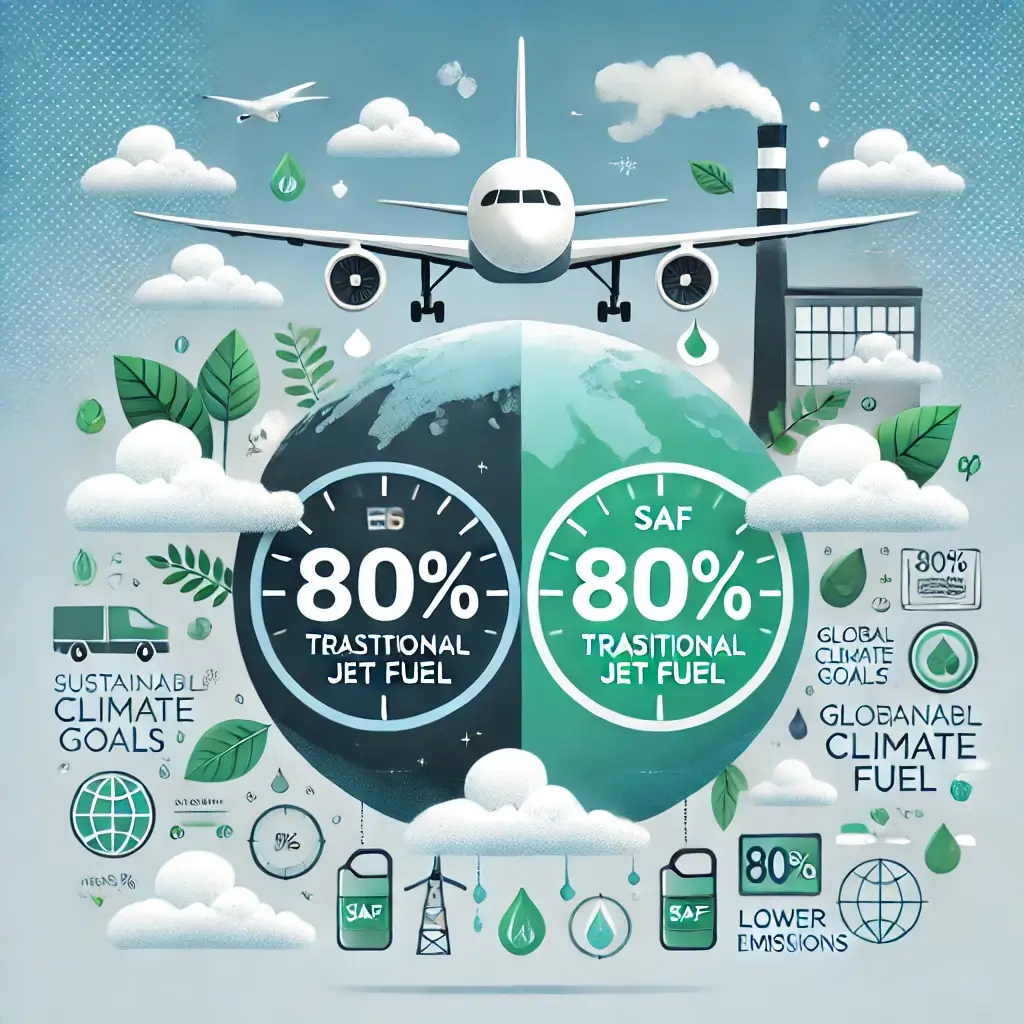
SAF can reduce greenhouse gas emissions by up to 80% compared to traditional jet fuel. This significant reduction helps the aviation industry meet its environmental targets and contribute to global climate goals.
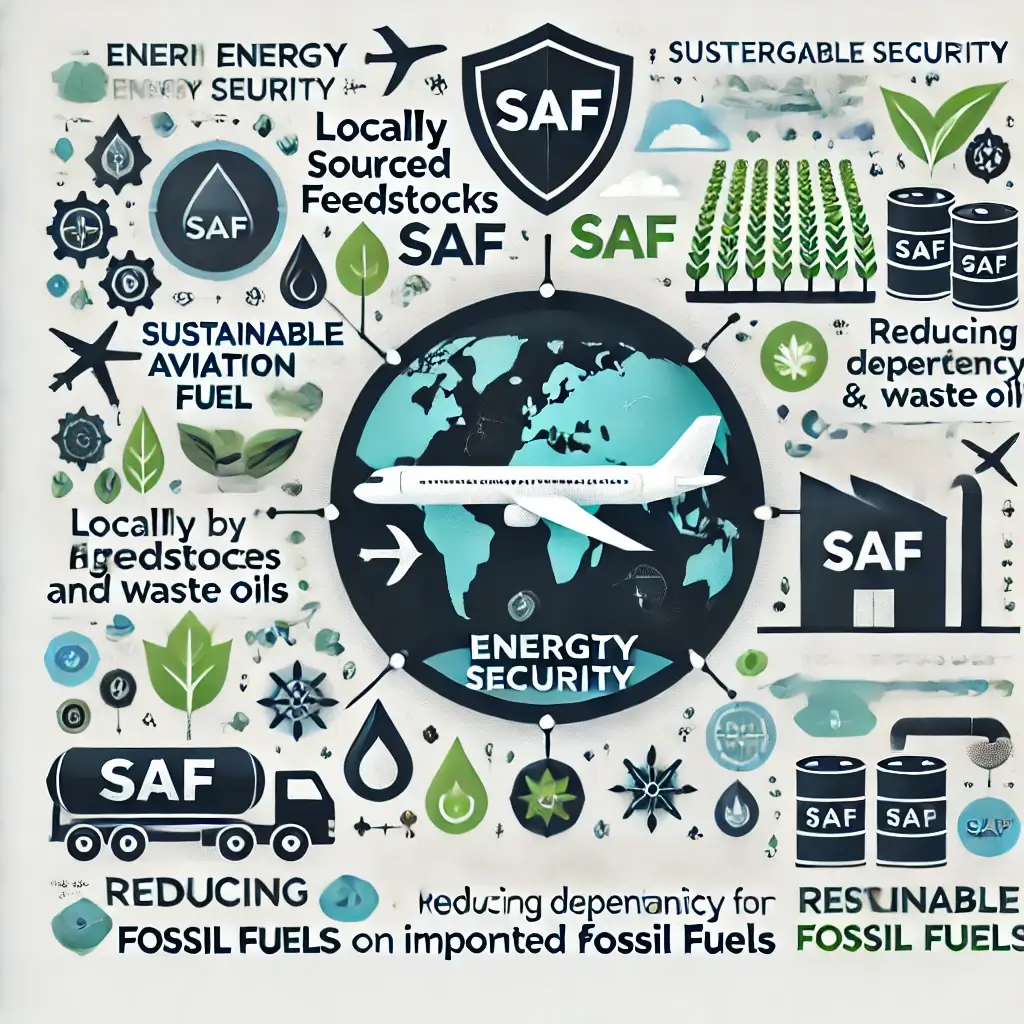
By utilizing locally available feedstocks, SAF reduces dependence on imported fossil fuels, enhancing energy security.
The production and use of SAF create jobs in the renewable energy sector and support local economies.

SAF projects contribute to responsible waste management and lower pollution levels, promoting sustainable development.
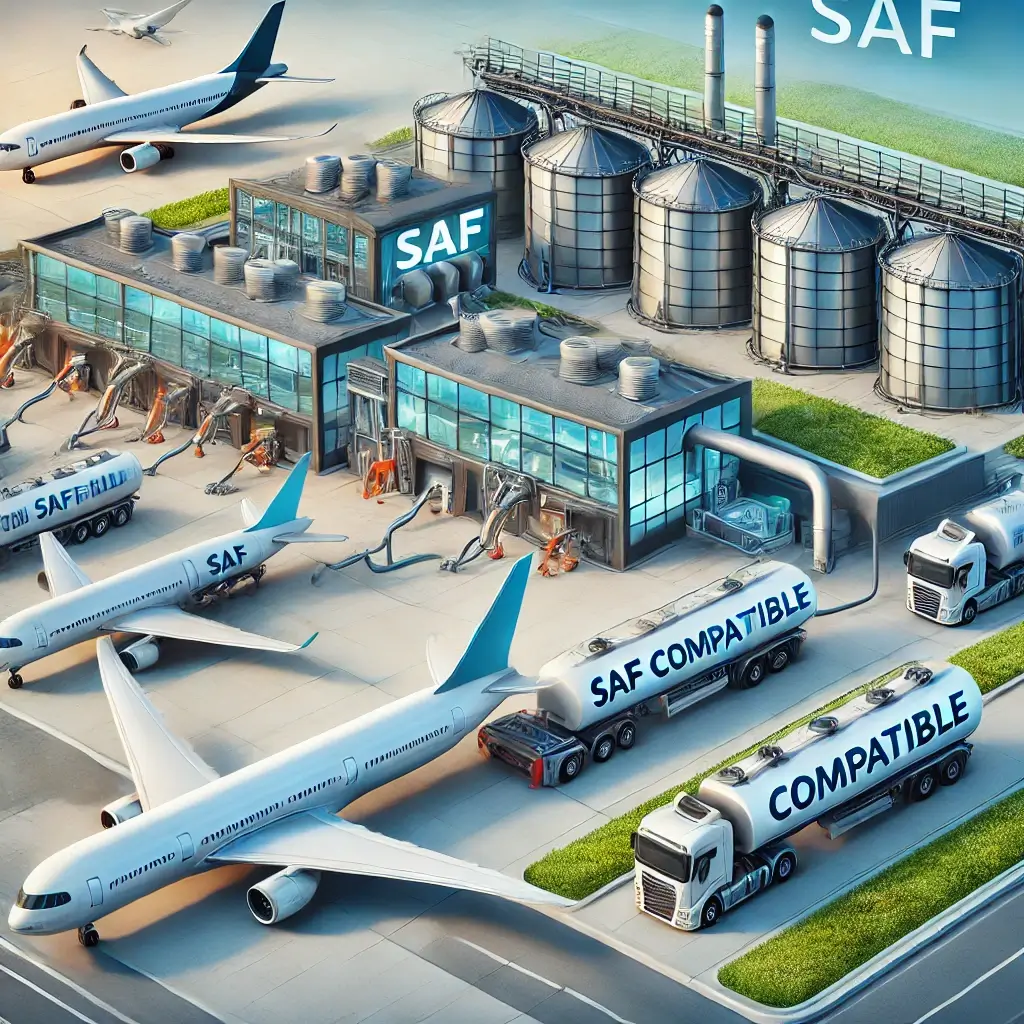
SAF is a "drop-in" fuel, meaning it can be used in existing aircraft engines and fuel infrastructure without modifications.
PUREANA is committed to advancing SAF initiatives as a sustainable and economically viable solution for reducing the carbon footprint of aviation. By focusing on renewable feedstocks and advanced technologies, we are making a significant contribution to global efforts to combat climate change.
