


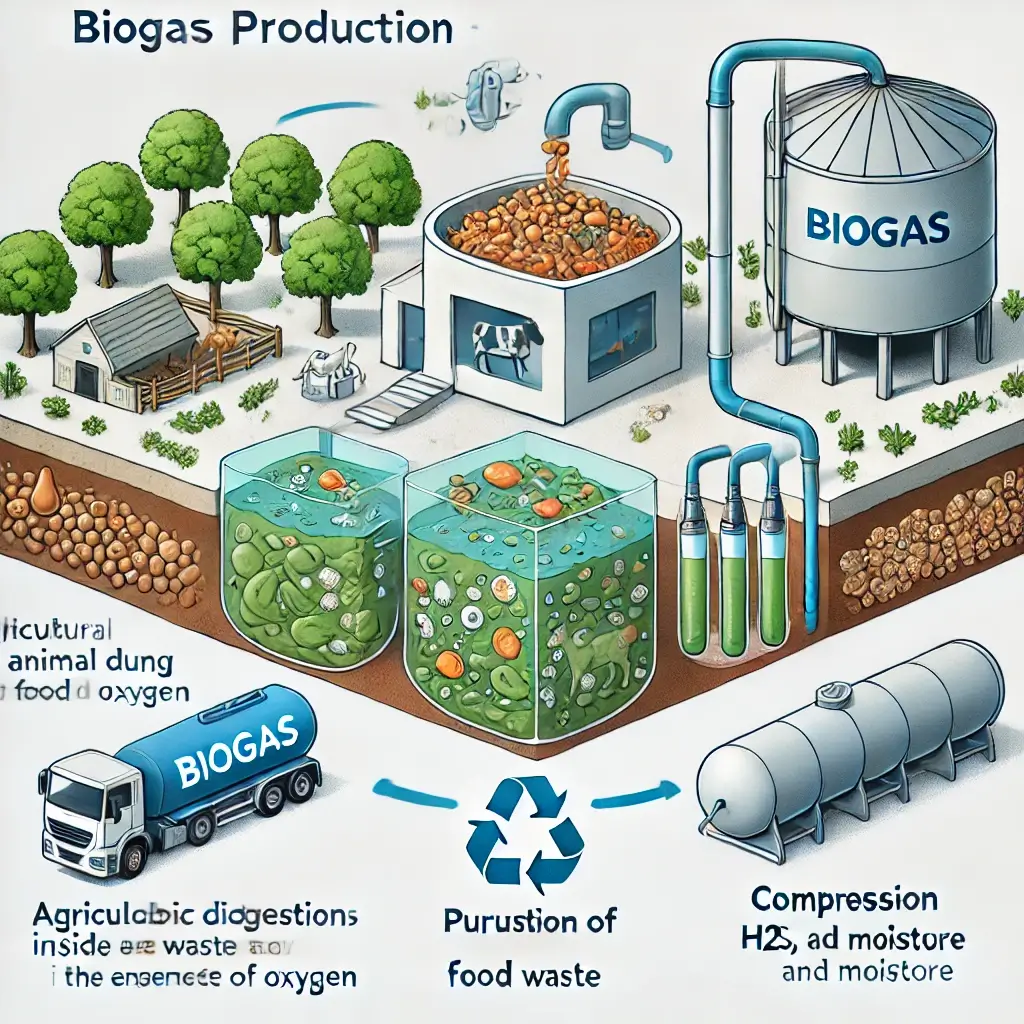
Agricultural residues, animal dung, food waste, and municipal solid waste are collected.
These organic materials are placed in an anaerobic digester, a sealed container where microorganisms break down the waste in the absence of oxygen. This process produces biogas, primarily consisting of methane (CH4) and carbon dioxide (CO2).
The raw biogas is purified to remove impurities like CO2, hydrogen sulfide (H2S), and moisture, resulting in high-quality methane similar to natural gas.
The purified biogas is then compressed to increase its energy density, making it suitable for use in various applications.
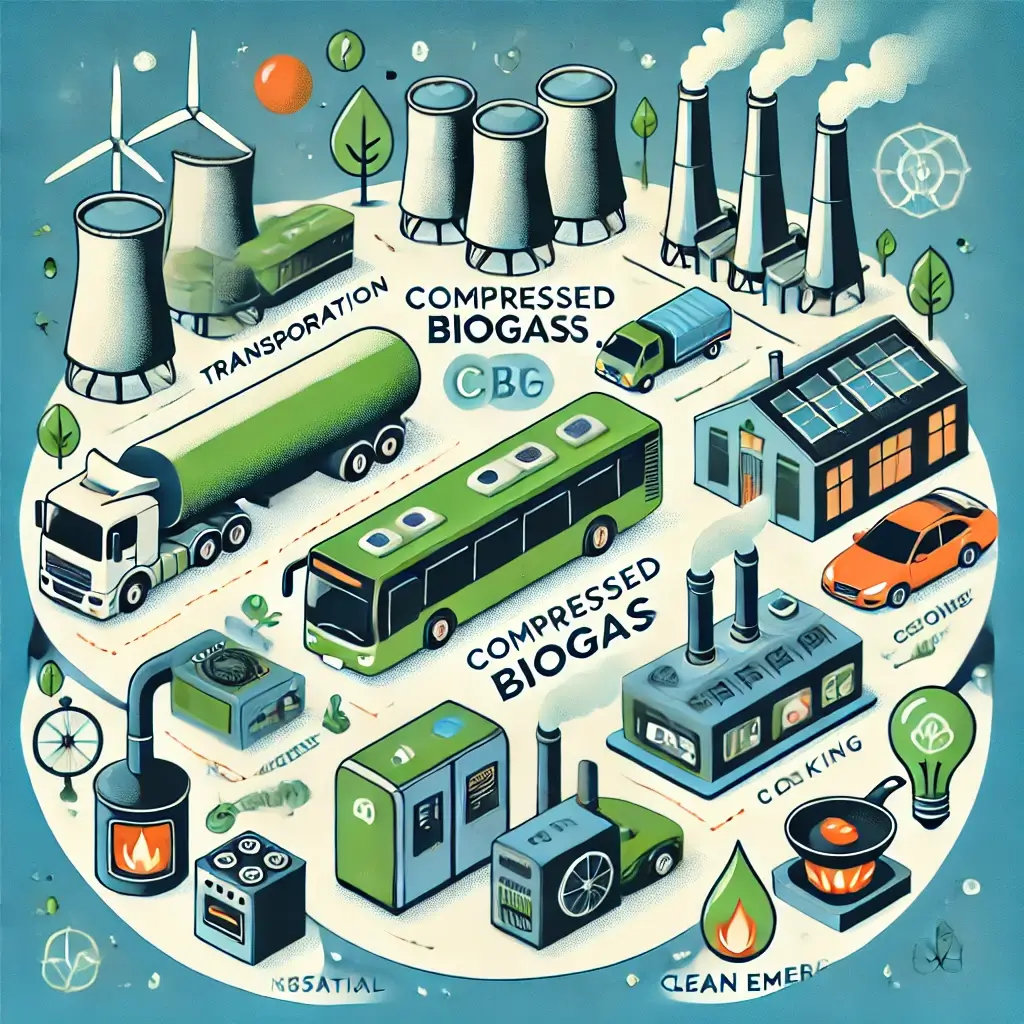
CBG can be used as a clean fuel for vehicles, replacing Compressed Natural Gas (CNG). It burns more cleanly than petrol or diesel, reducing greenhouse gas emissions and air pollution.
CBG can be used in industrial processes that require high energy inputs, such as heating and power generation. It provides a sustainable alternative to fossil fuels.
In rural areas, CBG can be used for cooking and heating, providing a clean and efficient energy source and reducing reliance on traditional biomass like firewood.
CBG projects are recognized for their potential to generate carbon credits, which can be traded on carbon markets. Here's how CBG projects contribute to carbon credits
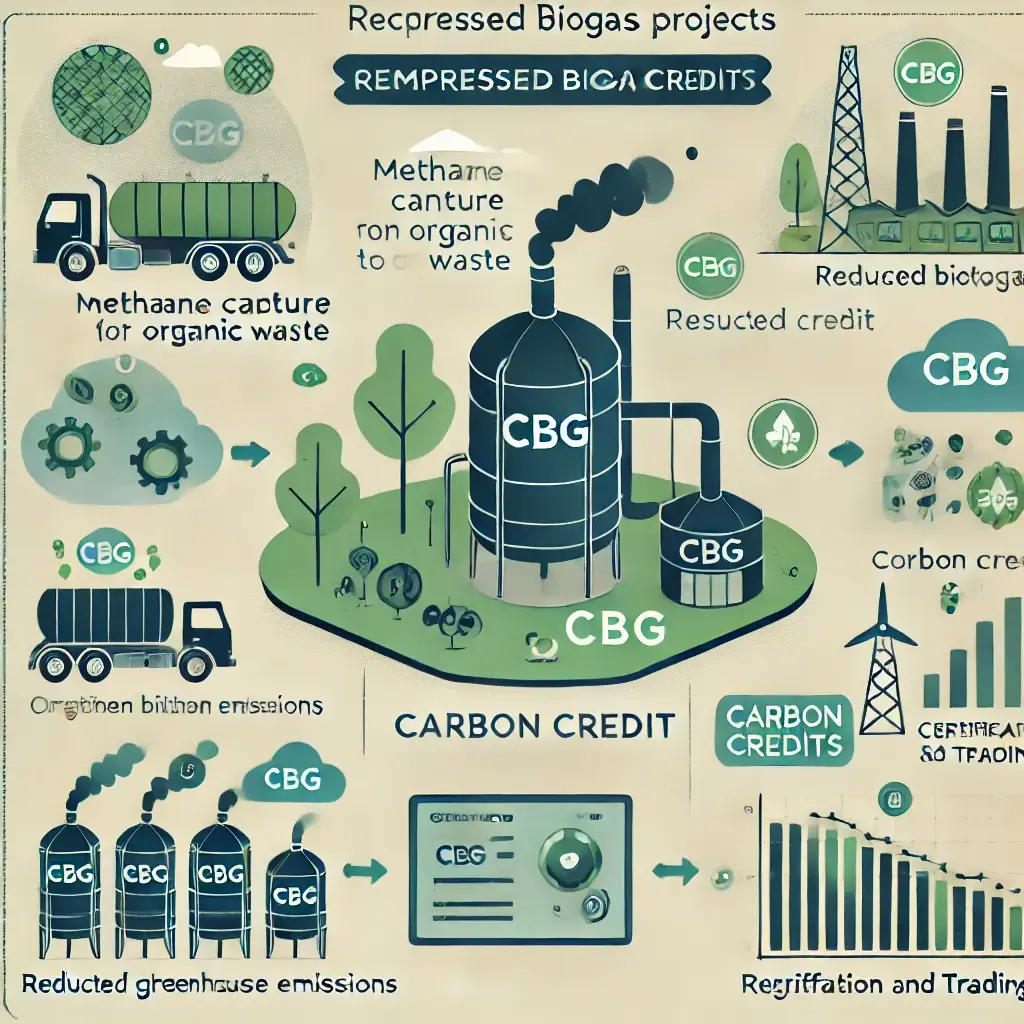
Organic waste, if left untreated, produces methane—a potent greenhouse gas. By capturing and converting methane into CBG, these projects prevent methane from being released into the atmosphere.
The use of CBG as a fuel reduces the demand for fossil fuels, further lowering greenhouse gas emissions. This dual impact—capturing methane and reducing fossil fuel use—makes CBG projects highly effective in reducing overall emissions.

CBG projects undergo rigorous verification processes to ensure they meet international standards for carbon credits.
Once verified, the projects are registered with recognized carbon credit registries.
Carbon credits are issued based on the amount of emissions reduced or avoided by the CBG projects. These credits can then be traded on carbon markets, providing an additional revenue stream for project developers.
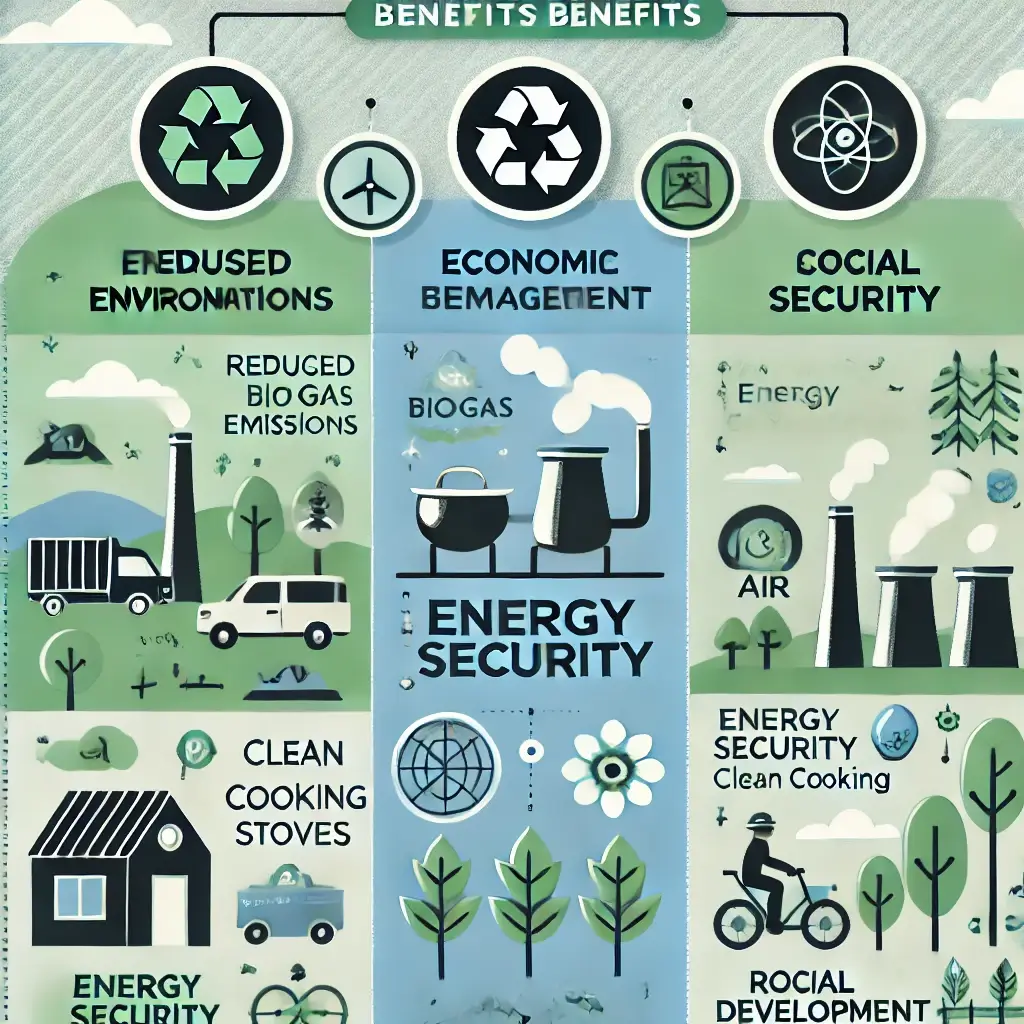
CBG projects capture methane from organic waste, a potent greenhouse gas, and convert it into a clean energy source. This significantly reduces emissions.
CBG projects contribute to effective waste management by converting organic waste into valuable energy, reducing the burden on landfills and mitigating waste-related pollution.
CBG projects reduce dependence on imported fossil fuels by providing a locally sourced, renewable energy alternative.
The development and operation of CBG plants create job opportunities in rural and urban areas, supporting local economies.
By reducing air pollution and providing clean cooking fuel, CBG projects improve public health, particularly in rural areas where traditional biomass fuels are commonly used.
CBG projects provide additional income streams for farmers and rural communities by creating demand for agricultural residues and organic waste.
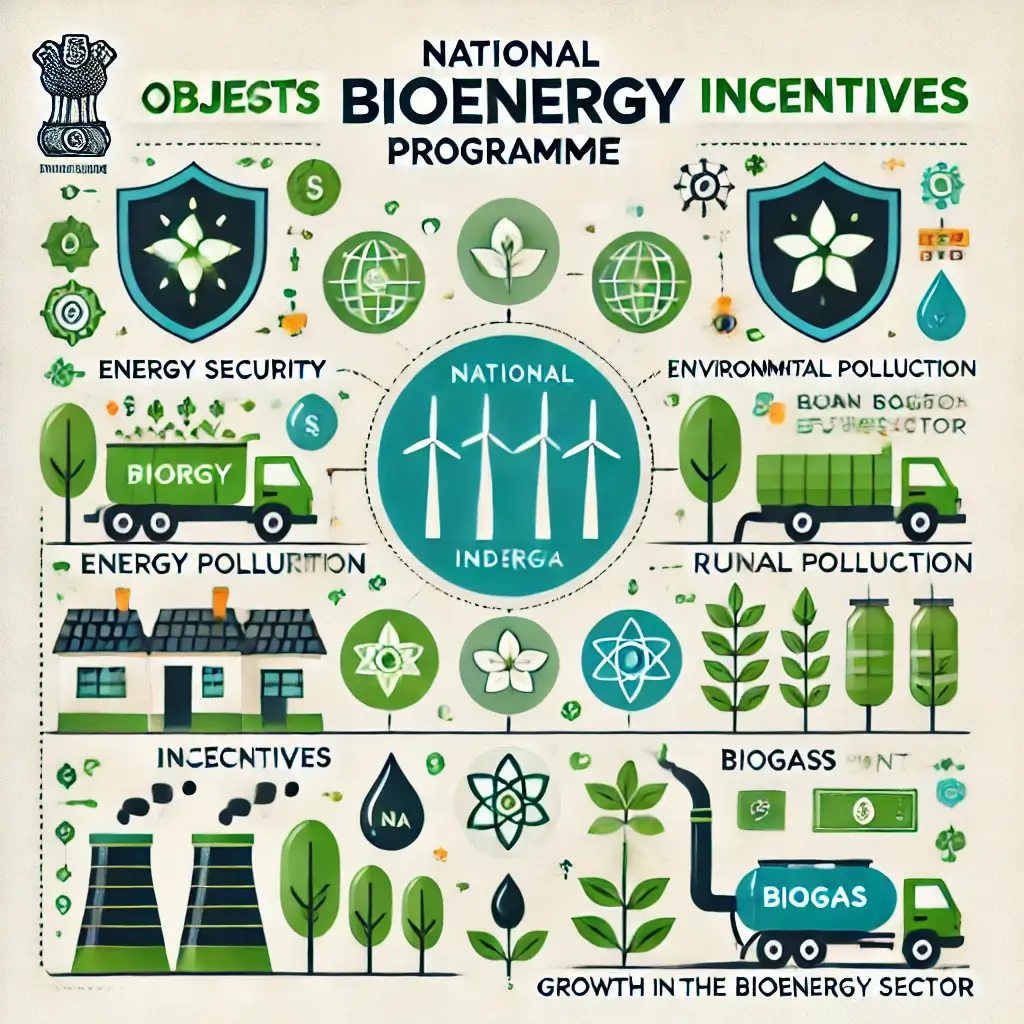
The Indian government's National Bioenergy Programme aims to promote the use of biogas and other bioenergy sources to achieve energy security, reduce environmental pollution, and support rural development
The programme offers financial incentives and subsidies for setting up biogas plants, providing a boost to the bioenergy sector.
The SATAT initiative was launched by the Ministry of Petroleum and Natural Gas in 2018.
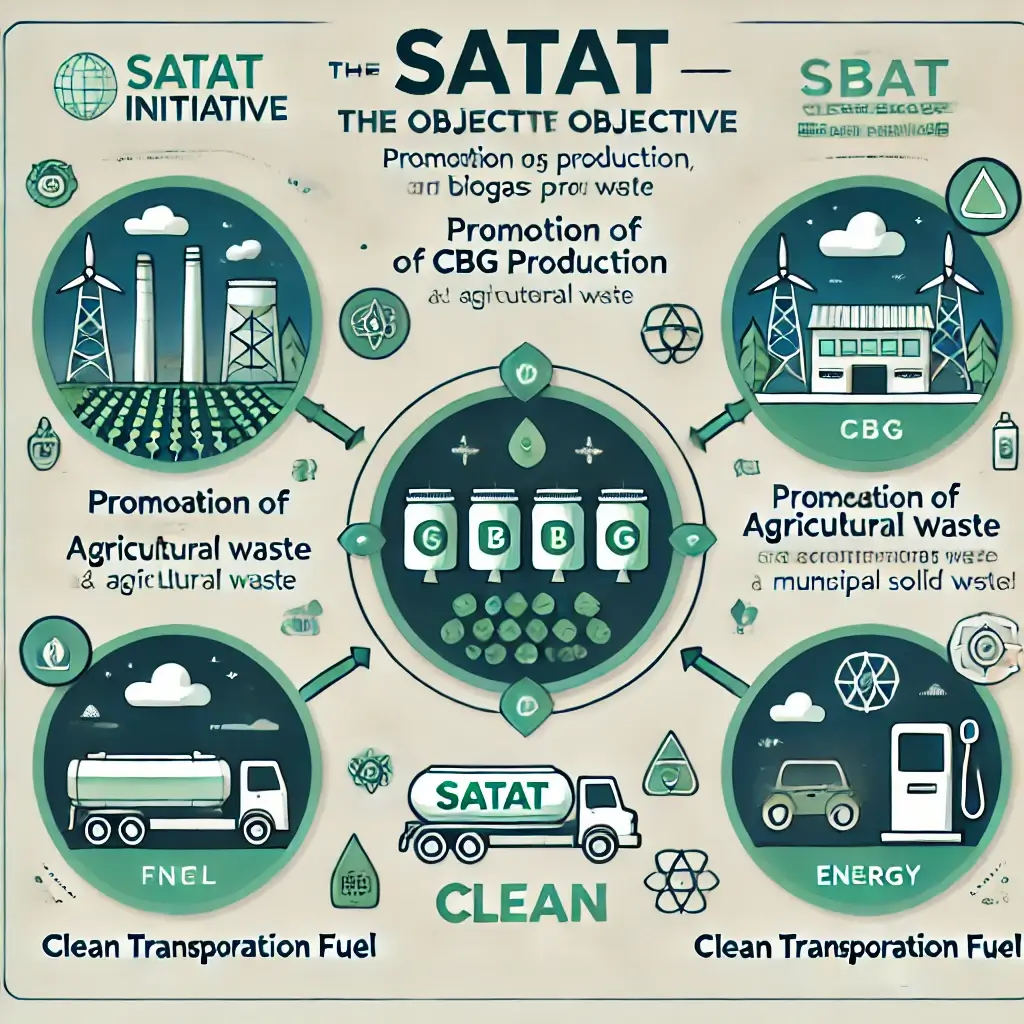
To promote the production of Compressed Bio Gas (CBG) from various waste sources and to enhance the availability of affordable and clean transportation fuel.
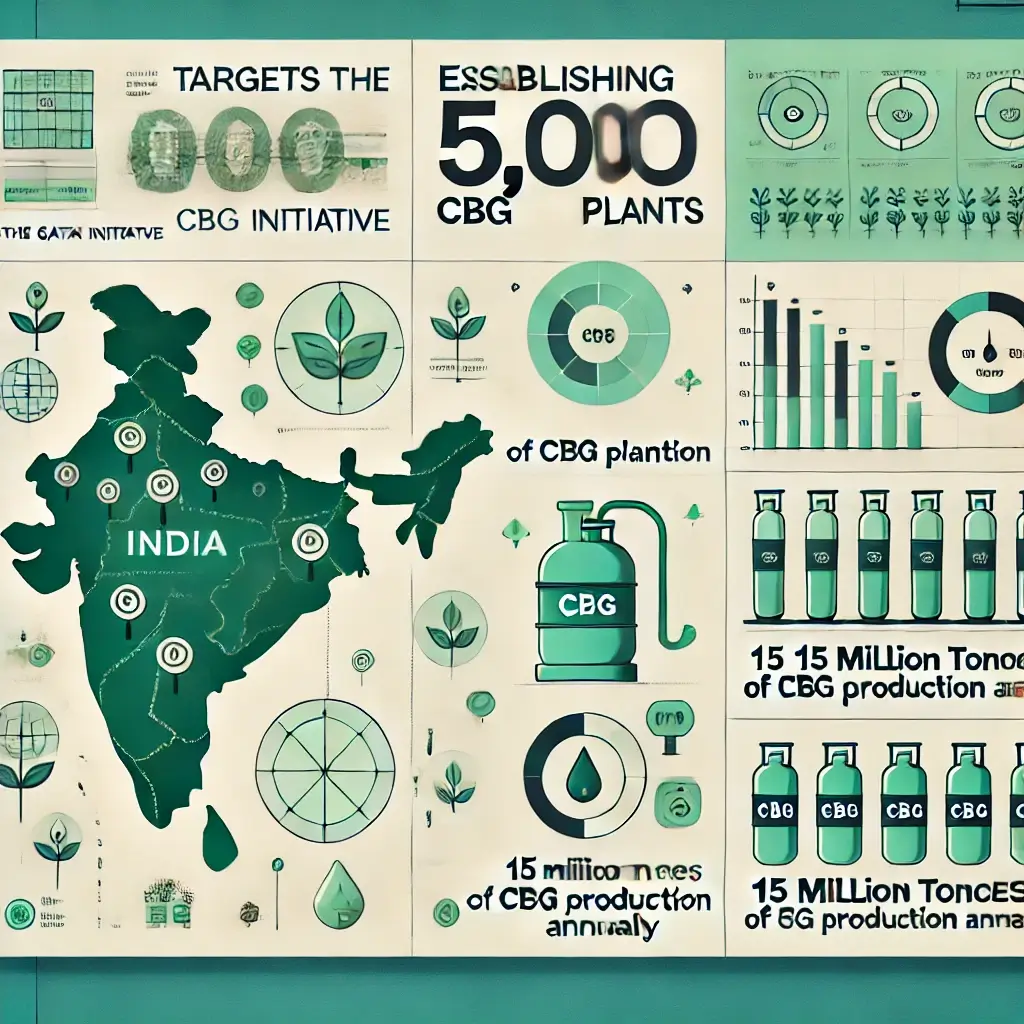
The initiative aims to establish 5,000 CBG plants, with a production target of 15 million tonnes of CBG annually.
To provide financial support for setting up integrated bioethanol projects using lignocellulosic biomass and other renewable feedstocks.
The scheme provides viability gap funding for commercial projects and promotes the use of advanced biofuels.
PUREANA is dedicated to advancing CBG projects as a sustainable and economically viable solution for clean energy production. By focusing on CBG, we are not only contributing to carbon reduction and environmental protection but also supporting rural development and energy security.
