



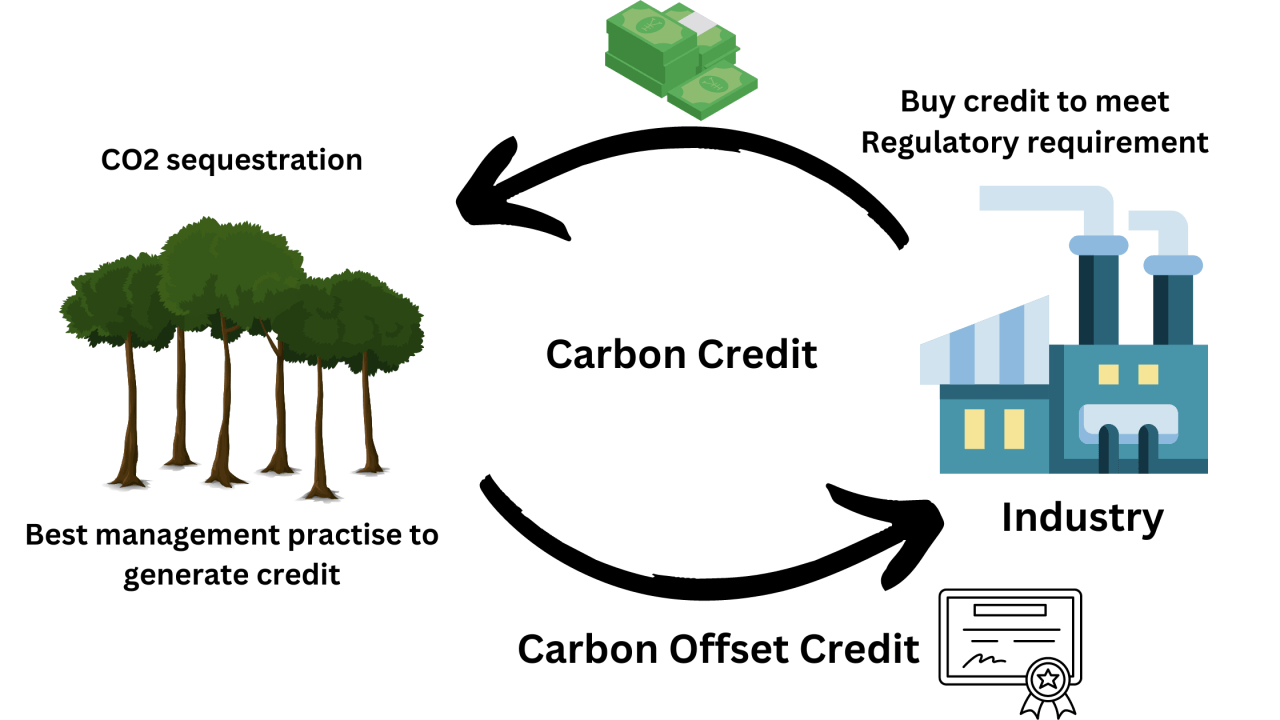
Methods for Achieving Carbon Credits and Offsets
Carbon credits are generated through projects that either reduce, avoid, or remove greenhouse gas (GHG) emissions from the atmosphere. These projects can be classified into different categories, each with its own methodologies and profitability potential. Here are the primary methods for achieving carbon credits and offsets.
-
Description: Projects that generate clean, renewable energy such as wind, solar, hydropower, and biomass can offset the emissions that would have occurred if fossil fuels were used.
-
How It Works: By displacing the need for coal, natural gas, or oil-based power generation, renewable energy projects prevent the emission of carbon dioxide (CO2) and other greenhouse gases.
-
Examples: Solar farms, wind turbines, hydroelectric plants, and biomass energy facilities.
-
Profitability: High potential if scaled successfully.Stable revenue stream from long-term power purchase agreements (PPAs) and government incentives (e.g., tax credits, subsidies).Initial investment can be significant, but long-term returns are generally profitable due to demand for renewable energy and carbon credits.
 Renewable Energy Projects
Reforestation and Afforestation
Description: Planting trees in deforested areas (reforestation) or in areas where trees did not previously exist (afforestation) can sequester CO2 from the atmosphere as trees absorb carbon during photosynthesis.
How It Works: Trees and plants naturally capture and store carbon, making reforestation and afforestation some of the most effective nature-based solutions to climate change.
Examples: Large-scale tree planting initiatives, forest management projects.
Profitability: Moderate to high profitability, depending on location, scale, and ecosystem value.Long-term commitment (10-30 years) before carbon credits are fully realized, but offers strong environmental impact and often additional social benefits.Profitability can increase with the rise of carbon credit prices and demand for nature-based solutions.
Carbon Capture and Storage (CCS)
Description: CCS technologies capture CO2 emissions directly from industrial processes or from the atmosphere and store them underground or use them in other products (e.g., enhanced oil recovery).
How It Works: CO2 is captured from high-emission sources (e.g., power plants, factories) and stored in geological formations, preventing it from entering the atmosphere.
Examples: CCS plants at coal power stations, direct air capture (DAC) systems.
Profitability: High initial capital investment, but the potential for long-term profitability as the technology matures.With the growing focus on achieving net-zero emissions, CCS projects are expected to become more profitable, especially with advancements in technology and increasing carbon prices.Profitability can be impacted by regulatory frameworks, government subsidies, and the price of carbon credits.
Methane Capture Projects
Description: Methane is a potent greenhouse gas, and capturing it from landfills, agricultural operations, or oil and gas facilities can prevent its release into the atmosphere.
How It Works: Methane is captured from sources like landfills, wastewater treatment facilities, and agricultural waste, and either flared (burned) to convert it into CO2 or used as energy (biogas).
Examples: Landfill methane capture systems, agricultural biogas plants.
Profitability: High profitability due to relatively low-cost technology and the ability to sell captured methane as energy.Relatively short-term returns compared to forest projects.Projects can benefit from government incentives, carbon credits, and the ability to monetize methane as an energy source.
Energy Efficiency Projects
Description: Reducing energy consumption in buildings, factories, or transportation systems through energy-efficient technologies and practices.
How It Works: Implementing more efficient lighting, heating, cooling, and manufacturing technologies helps reduce the amount of energy required, thereby reducing emissions from power plants.
Examples: Retrofitting buildings with energy-efficient HVAC systems, LED lighting, or energy-efficient appliances; improving industrial processes.
Profitability: Moderate to high profitability with faster returns due to lower upfront costs and immediate savings on energy bills.Ongoing cost savings provide a profitable long-term investment.The impact on carbon credits depends on the scale and the amount of energy saved.
Sustainable Agriculture and Soil Carbon Sequestration
Description: Sustainable farming practices that improve soil health can increase the amount of carbon stored in the soil, helping to reduce atmospheric CO2.
How It Works: Practices such as no-till farming, crop rotation, cover cropping, and agroforestry can improve soil carbon storage and reduce methane and nitrous oxide emissions from farms.
Examples: Regenerative agriculture practices, organic farming, agroforestry.
Profitability: Moderate profitability with substantial environmental and social benefits.Initial costs can be higher for farmers transitioning to sustainable practices, but the long-term profitability is linked to both improved soil health and the increasing demand for carbon credits tied to agricultural land.Additional incentives from governments and environmental organizations.
Blue Carbon Projects (Marine and Coastal Ecosystems)
Description: Projects that focus on the restoration and protection of marine ecosystems, such as mangroves, seagrasses, and salt marshes, which capture and store carbon in their biomass and sediments.
How It Works: Marine ecosystems are significant carbon sinks, and protecting them can enhance carbon sequestration while also preserving biodiversity.
Examples: Coastal wetland restoration, mangrove replanting.
Profitability: Moderate profitability, especially in areas with large, vulnerable marine ecosystems.These projects often attract funding from both environmental organizations and government bodies due to their high environmental impact.Profitability can vary depending on the regulatory environment and availability of carbon credits from ocean-based projects.
Profitability Comparison
High Profitability: Renewable energy projects, methane capture projects, carbon capture and storage (CCS).
Moderate Profitability: Reforestation, afforestation, sustainable agriculture, soil carbon sequestration, blue carbon projects.
Variable Profitability: Energy efficiency projects (largely dependent on scale and type of project).
Conclusion:The profitability of carbon credit generation varies significantly depending on the method used, initial investment, and scale of the project. Renewable energy, methane capture, and CCS are generally the most profitable but come with high capital requirements. On the other hand, nature-based solutions like reforestation, afforestation, and sustainable agriculture offer moderate profitability, with additional benefits like ecosystem restoration and biodiversity protection. The growing demand for carbon credits and rising carbon prices will continue to make these methods more lucrative, especially for projects that provide long-term, sustainable results.